Roysambu, Kasarani
Call: +254 723 786161 / +254 735 981098 | ISO 9001:2015


By Abigael Sum | 2 February 2026
In less than a month, countries are expected to submit their Seventh National Reports under the Convention on Biological Diversity (CBD), underscoring the urgent shift from setting restoration targets to demonstrating measurable progress. This is critical as many countries face challenges in monitoring and reporting ecosystem restoration, particularly in meeting Target 2 of the Kunming–Montreal Global Biodiversity Framework, which calls for the effective restoration of at least 30 per cent of degraded terrestrial, inland water, and marine and coastal ecosystems.
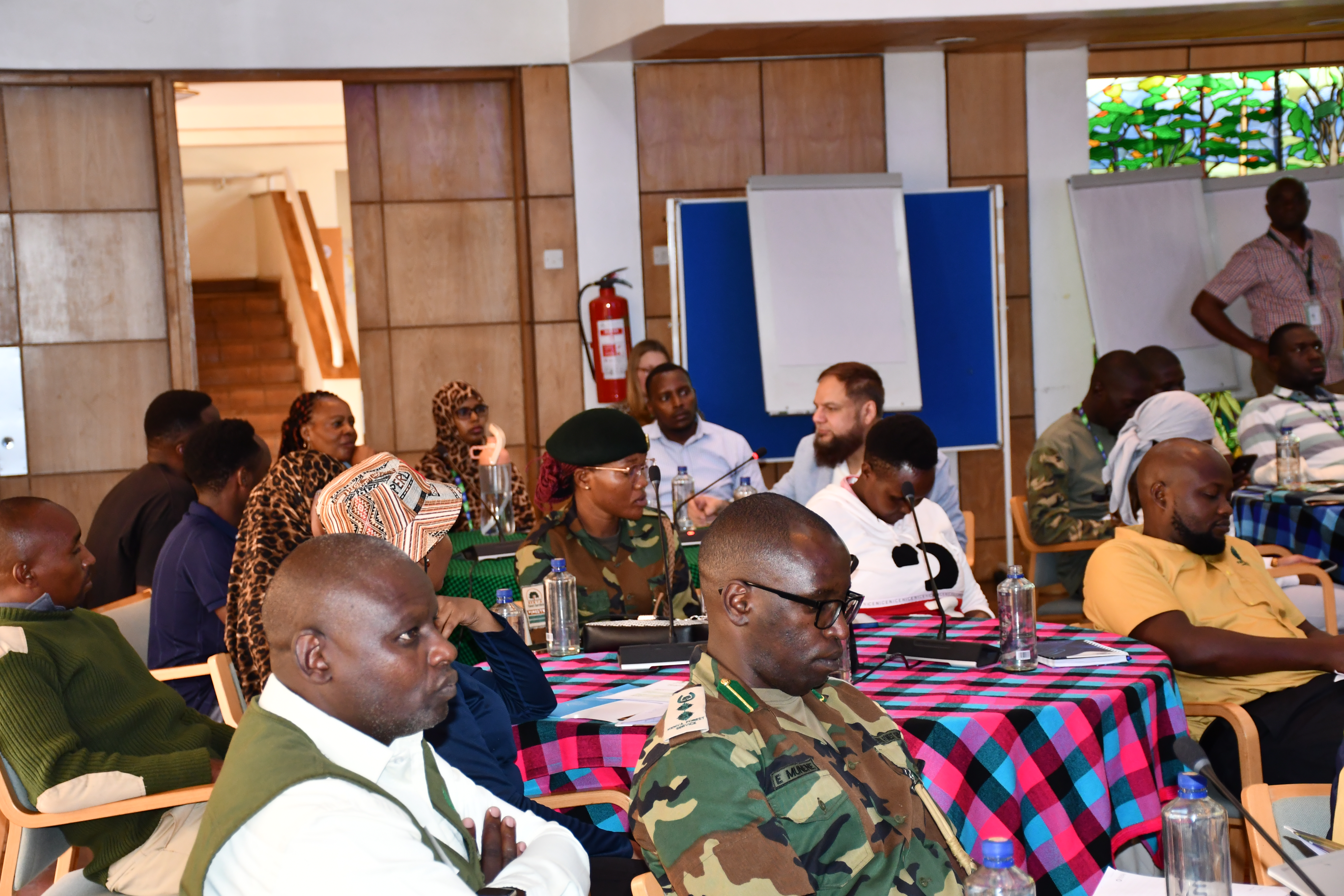
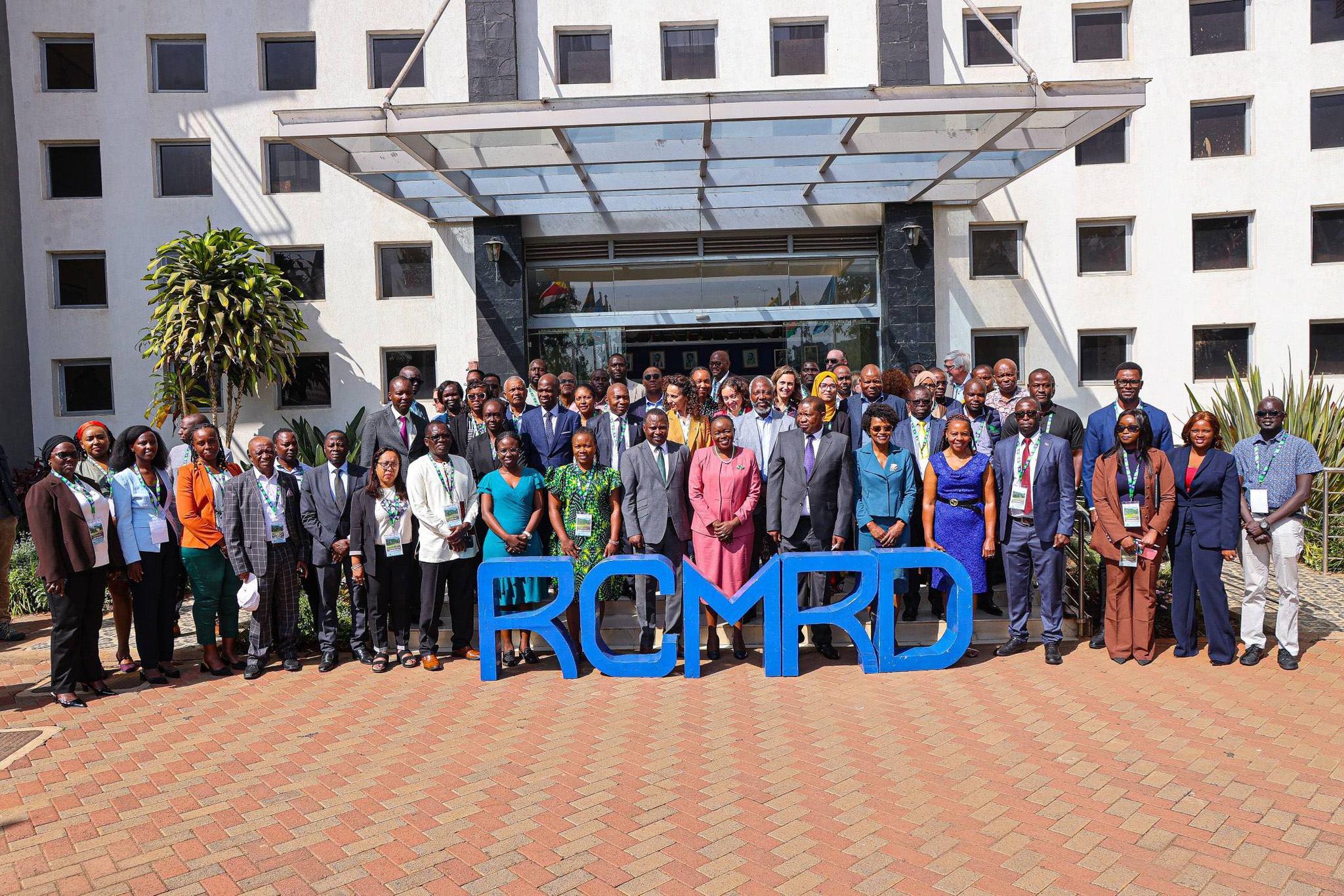
The Subregional Workshop on Biodiversity Monitoring and Reporting held last week from 27 to 30 January 2026 at RCMRD in Nairobi, Kenya, provided an opportunity to share subregional, national and local experiences and challenges in monitoring and reporting on ecosystem restoration in relation to Target 2.
The workshop was organized through RCMRD in its role as a regional technical and scientific cooperation support centre of the UN Convention on Biological Diversity (CBD), marking a practical step in supporting countries as they move from restoration commitments to implementation and reporting.
The meeting was convened by the Food and Agriculture Organization of the United Nations (FAO), the CBD Secretariat, Society for Ecological Restoration (SER) and the Center for International Forestry Research and World Agroforestry (CIFOR-ICRAF) and funded by the Government of the United Kingdom through the AIM4NatuRe (Accelerating Innovative Monitoring for Nature Restoration) initiative.
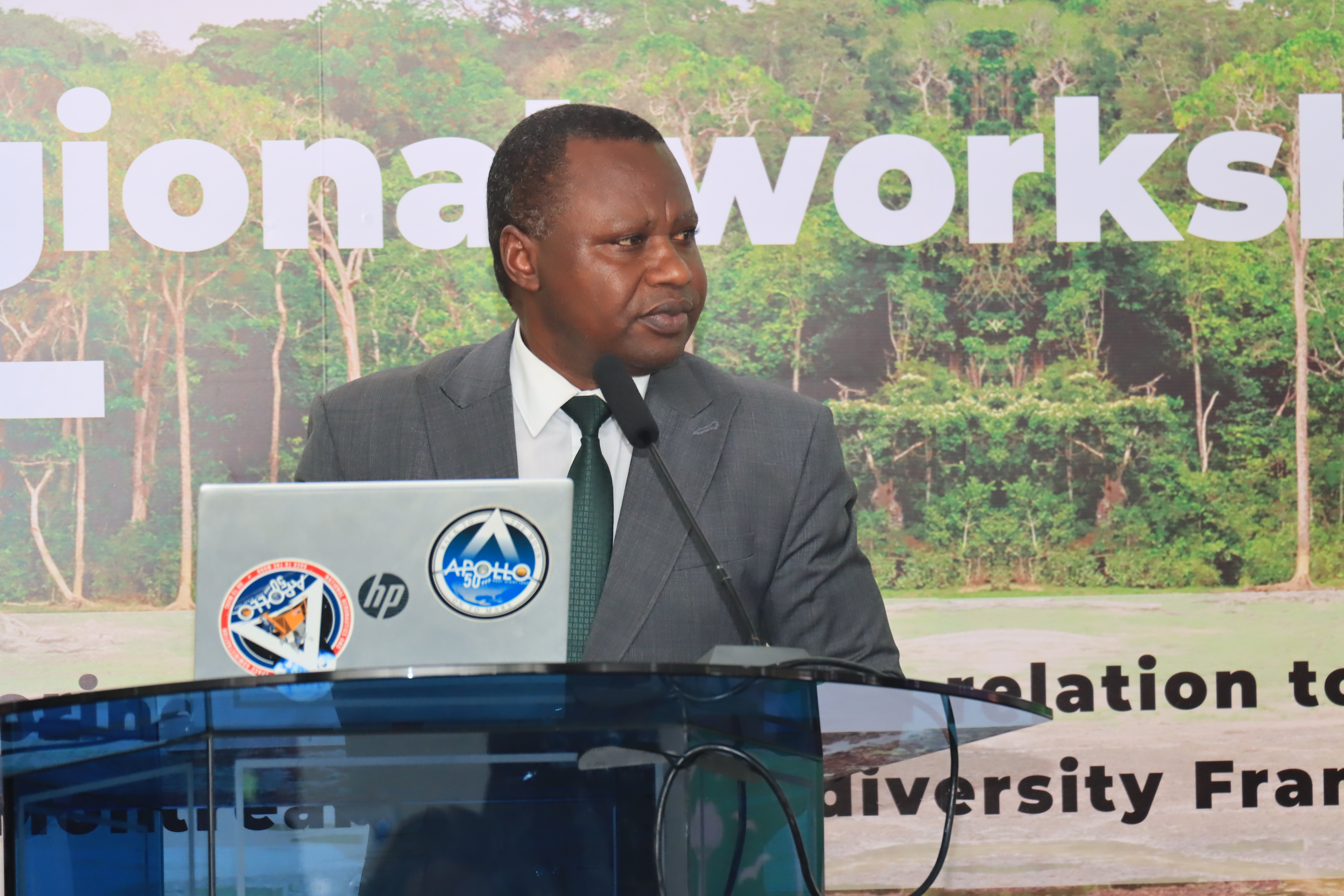
Dr. Emmanuel Nkurunziza, RCMRD’s Director General, highlighted the role of RCMRD: “With its new role as a Subregional Technical and Scientific Cooperation Support Centre, RCMRD is ready to support countries with the data, tools, and coordination needed to deliver on Target 2.”
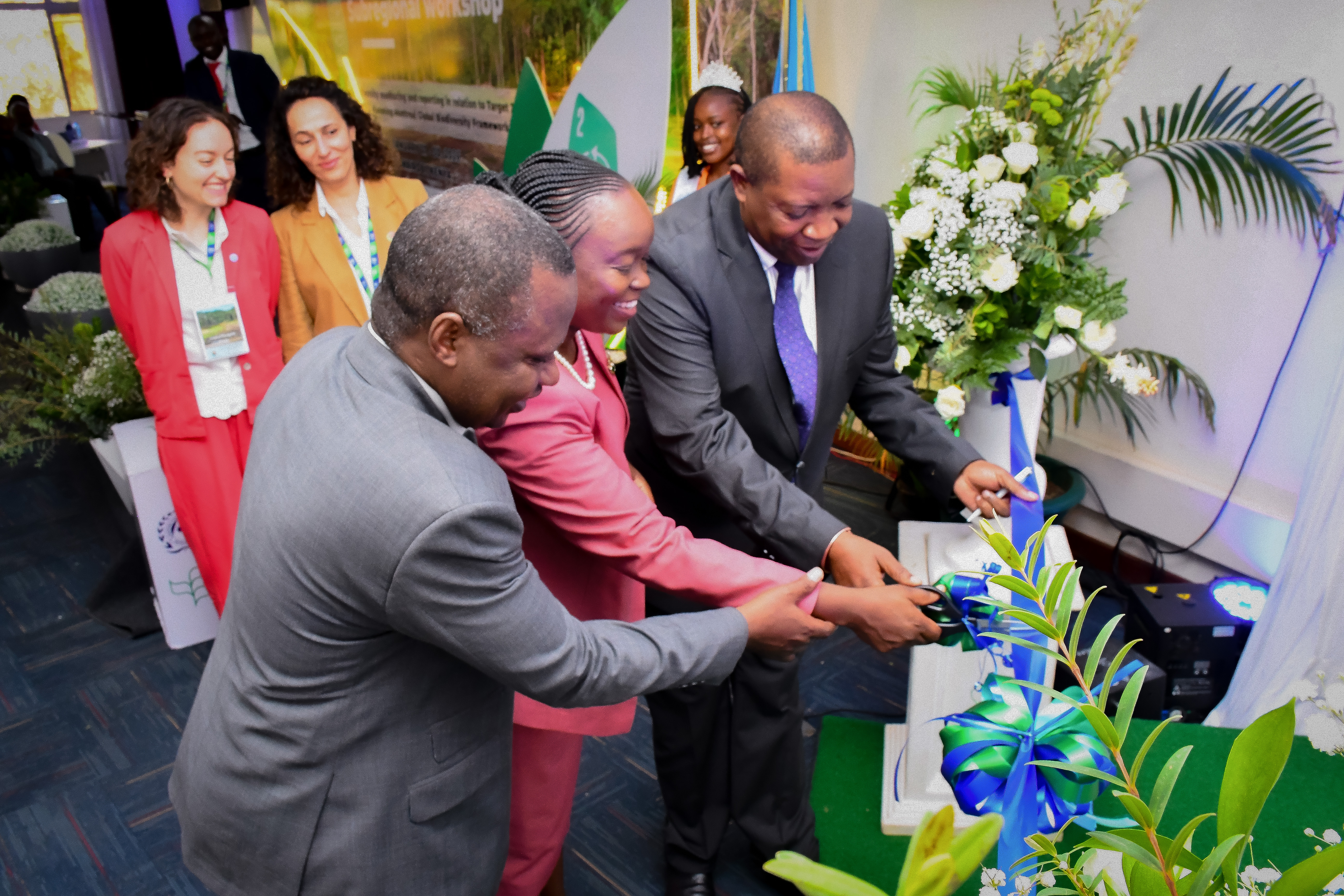
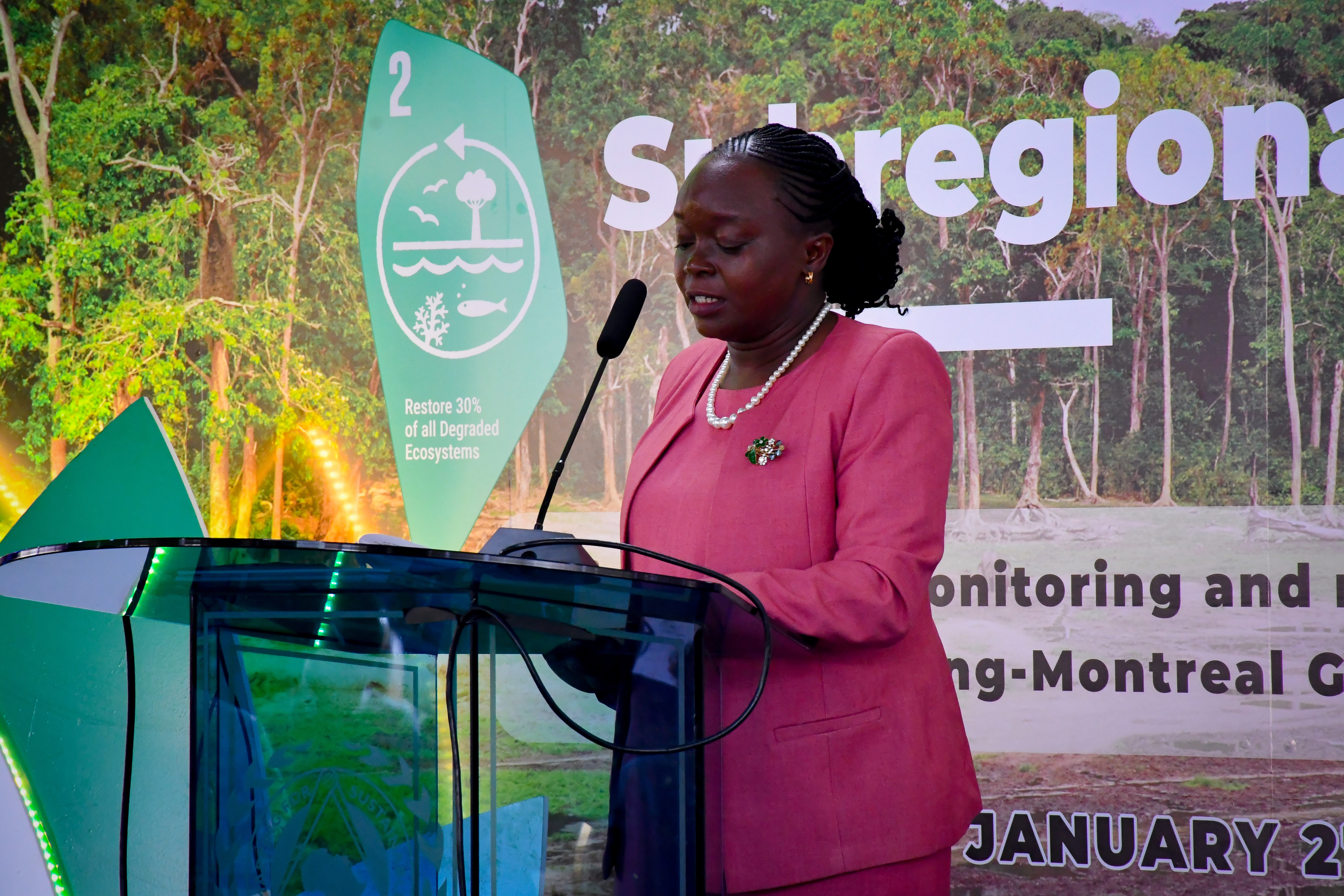
At the opening session, Kenya’s Cabinet Secretary for Environment, Climate Change and Forestry, Dr. Deborah Mulongo Barasa, stressed the need to turn restoration commitments into measurable results, noting that credible monitoring and reporting are key to tackling biodiversity loss, climate change, and advancing sustainable development.
“Restoration is about giving nature a chance to recover and in doing so, protecting livelihoods, securing water, supporting food production, and building resilience to climate change. But restoring ecosystems is not enough. We also need to be able to explain what we are doing, show what is working, and learn from what is not. The next few years will determine whether restoration commitments become reality or remain promises on paper,” said Dr. Barasa.
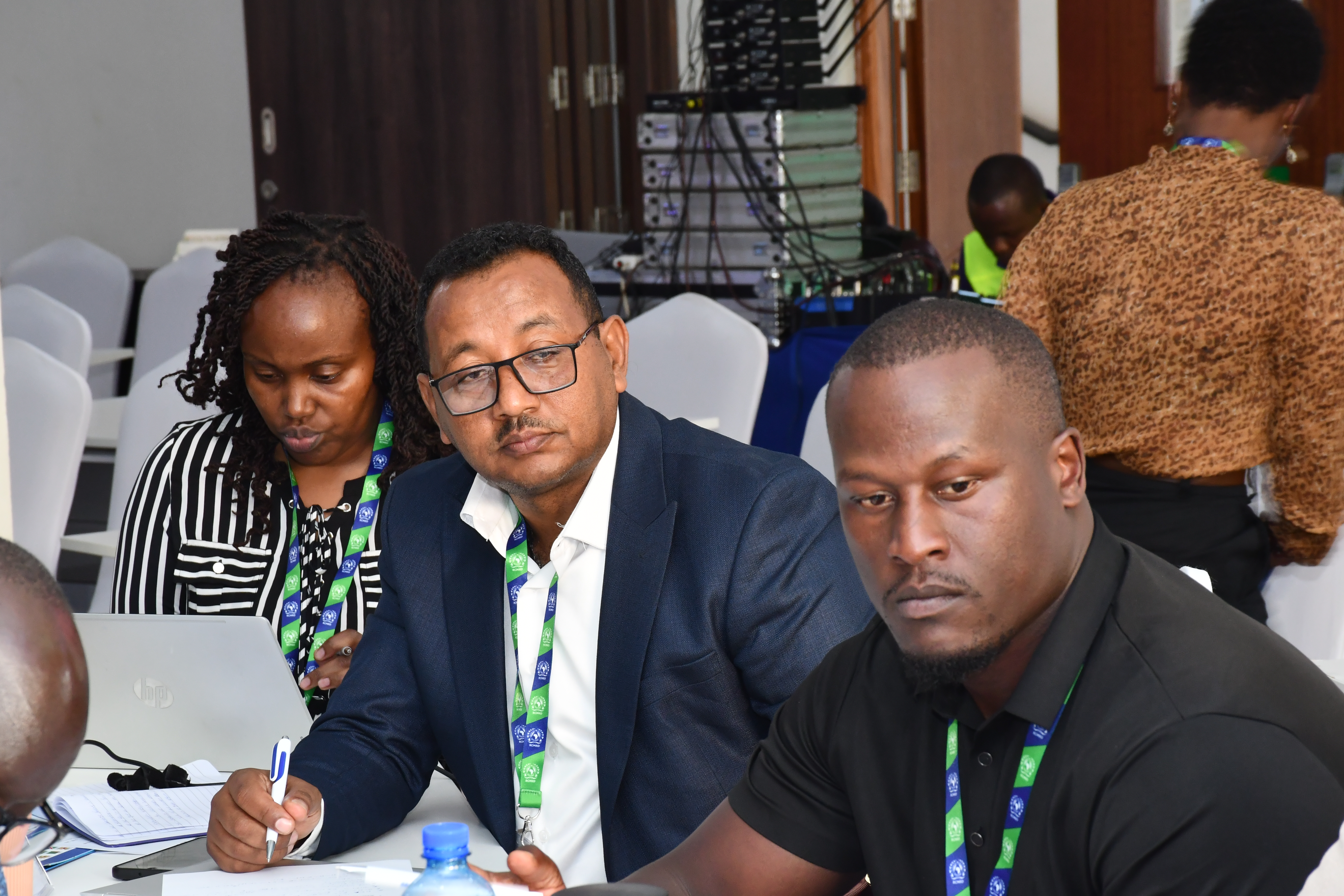
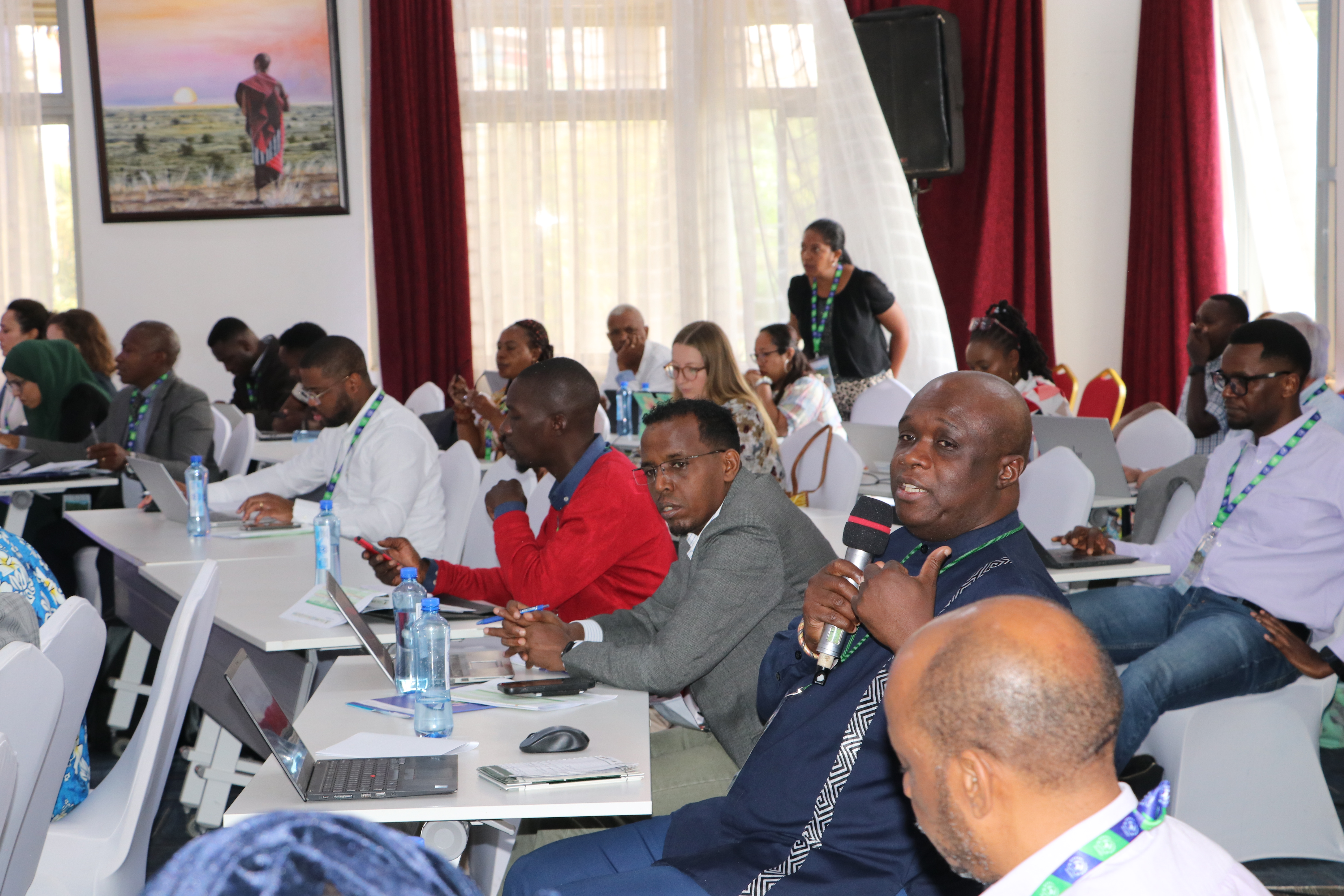
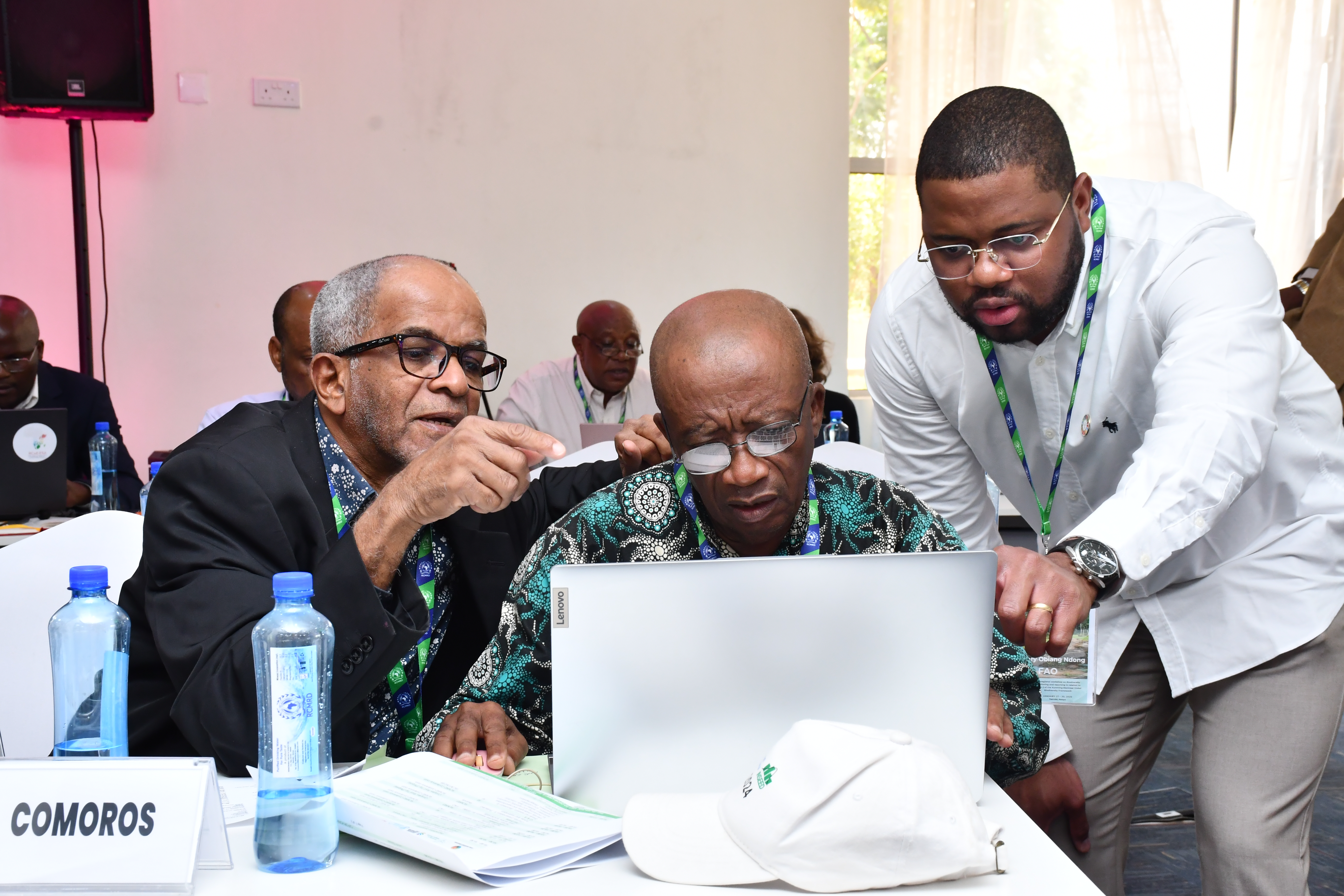
Over four days, participants explored how to monitor and report ecosystem restoration under Target 2, from understanding degradation and setting baselines to linking national actions with global commitments. They also had an opportunity to interact with the Framework for Ecosystem Restoration Monitoring (FERM), a monitoring platform for tracking global progress and disseminating good practices for the UN Decade on Ecosystem Restoration. Country representatives shared lessons from various initiatives including African Forest Landscape Restoration Initiative (AFR100) and Land Degradation Neutrality (LDN), illustrating how restoration data are being applied in practice, while also highlighting persisting gaps. The workshop also included three breakout sessions which tackled challenges in data collection, validation, and sharing, emphasizing on coordination and collaboration across institutions, sectors, and governance levels.

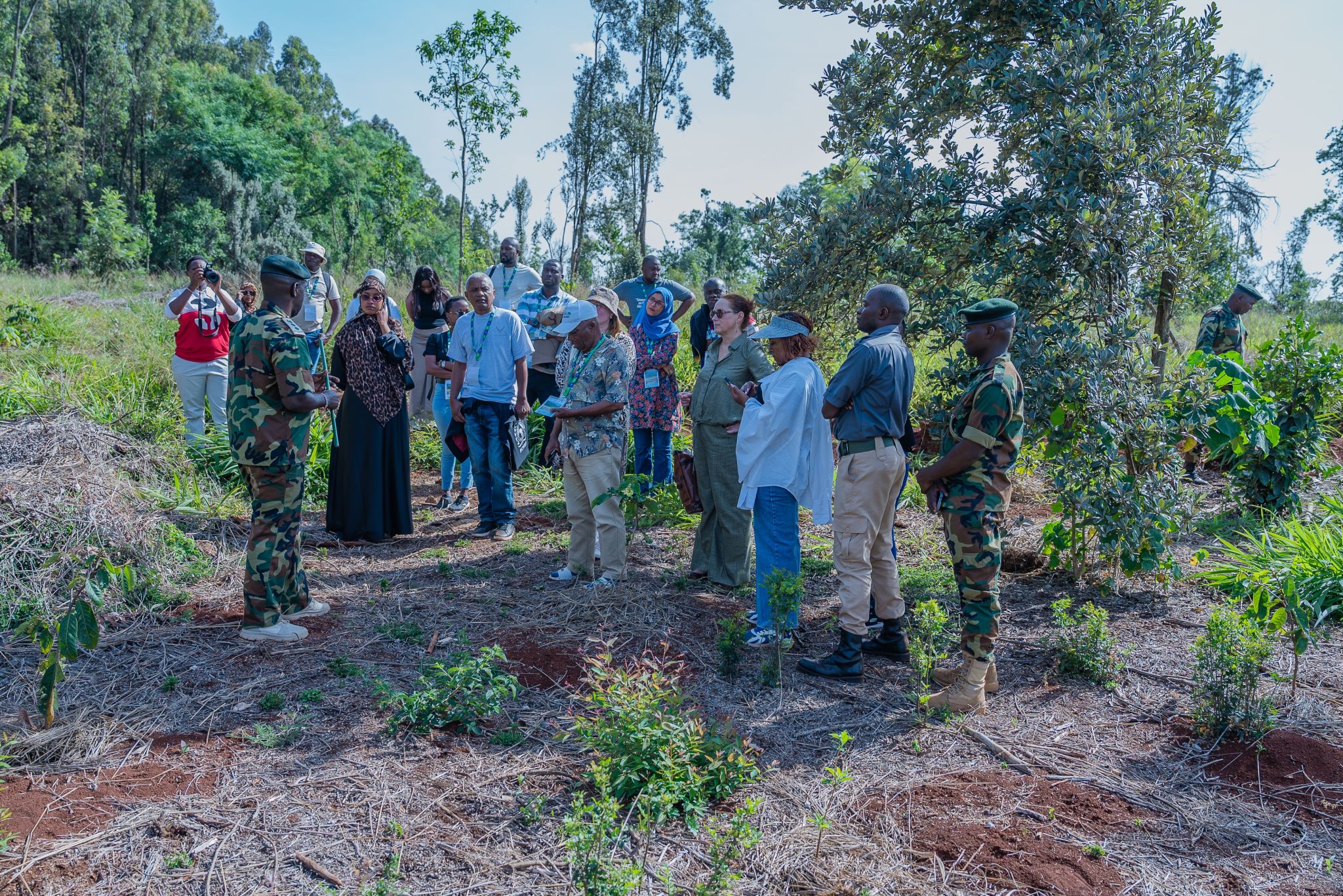
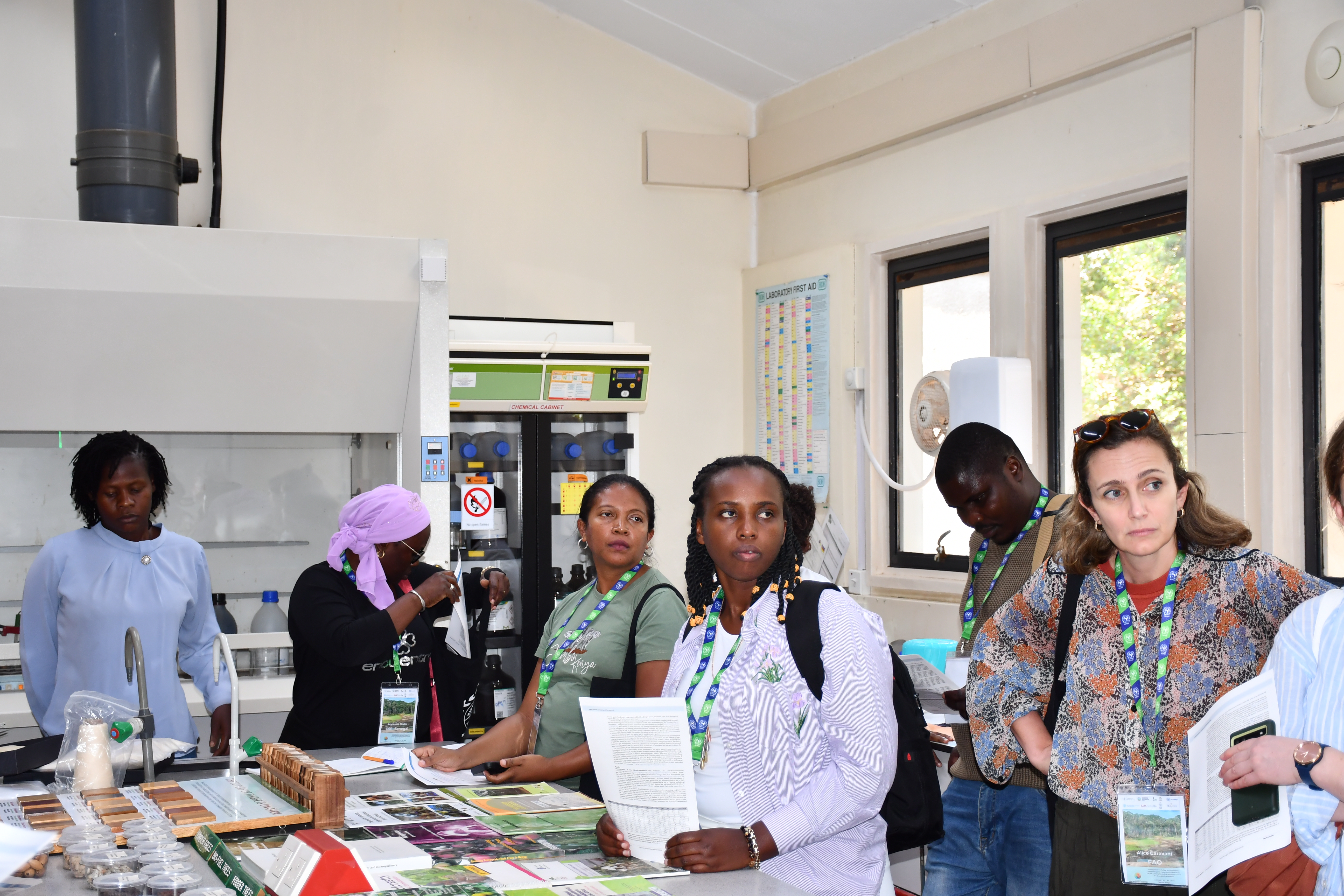
Participants had an opportunity to visit the CIFOR-ICRAF campus where they had hands-on sessions in various laboratories including tree seedling laboratory, soil and land health laboratory and the Spatial Analysis Laboratory. The team also visited the Karura forest, second-largest city forest globally (after Rio’s Tijuca), covering approximately1,041 hectares. It is among the most successful urban restoration landscapes. The visit showcased restoration planning, nursery and indigenous seed systems, invasive species removal, restoration plots and monitoring approaches in an urban forest.
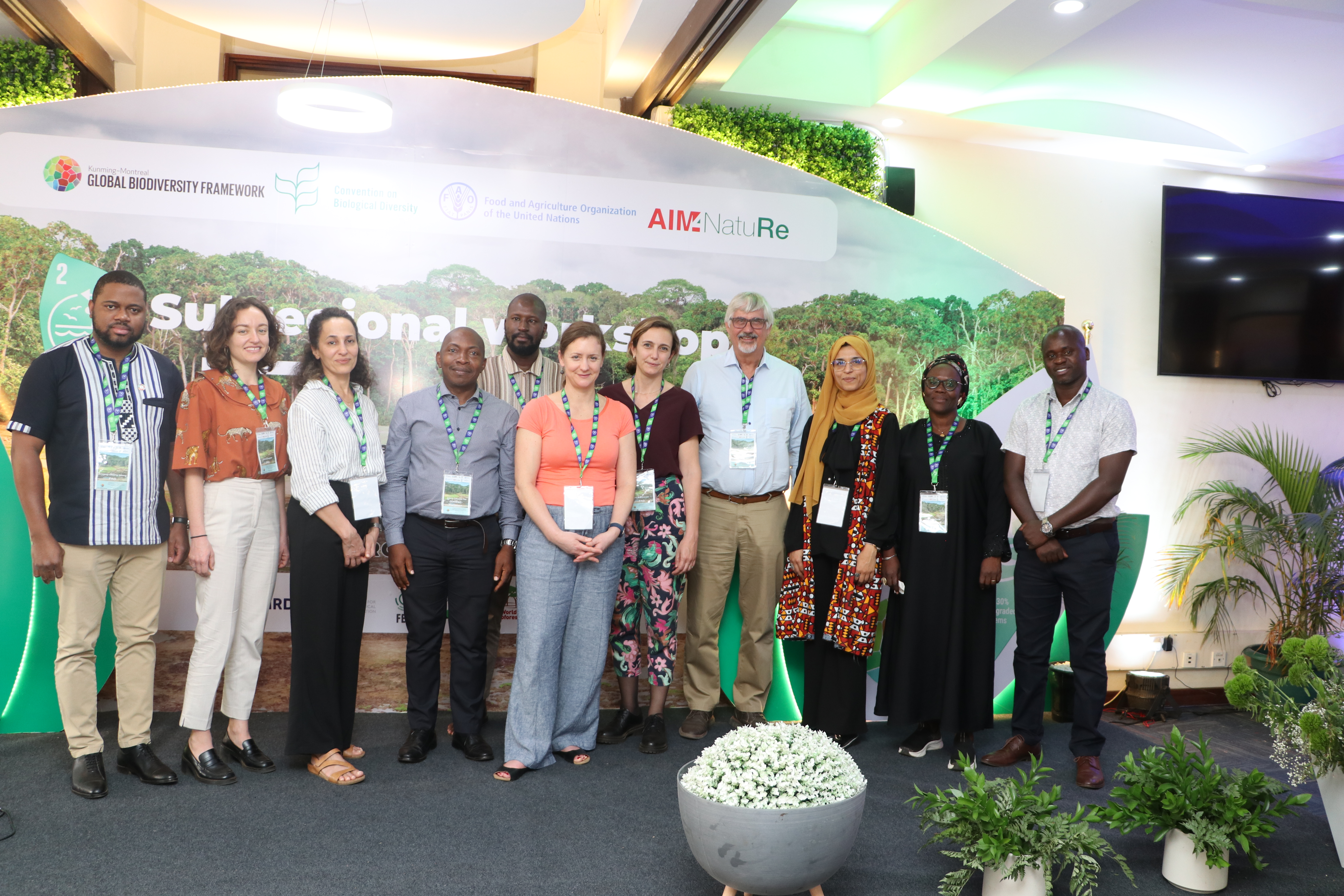
The meeting brought together representatives from Comoros, Eswatini, Ethiopia, Kenya, Madagascar, Rwanda, Somalia, South Sudan, Uganda, the United Republic of Tanzania, and Zambia, alongside international partners, regional technical support centres including Central African Forest Commission (COMIFAC), Ecological Monitoring Centre (CSE), Sahara and Sahel Observatory (OSS) and South African National Biodiversity Institute (SANBI) and representatives from the major groups including women, youth and indigenous people.
Lessons and outcomes from this workshop will inform part of the global policy discussions, including the Sixth meeting of the Subsidiary Body on Implementation of the Convention on Biological Diversity, to be held later this month at FAO headquarters in Rome.