Roysambu, Kasarani

Call: +254 723 786161 / +254 735 981098 | ISO 9001:2015

From Data Gaps to Climate Action: Strengthening GHG Reporting Capacity in Comoros and Seychelles


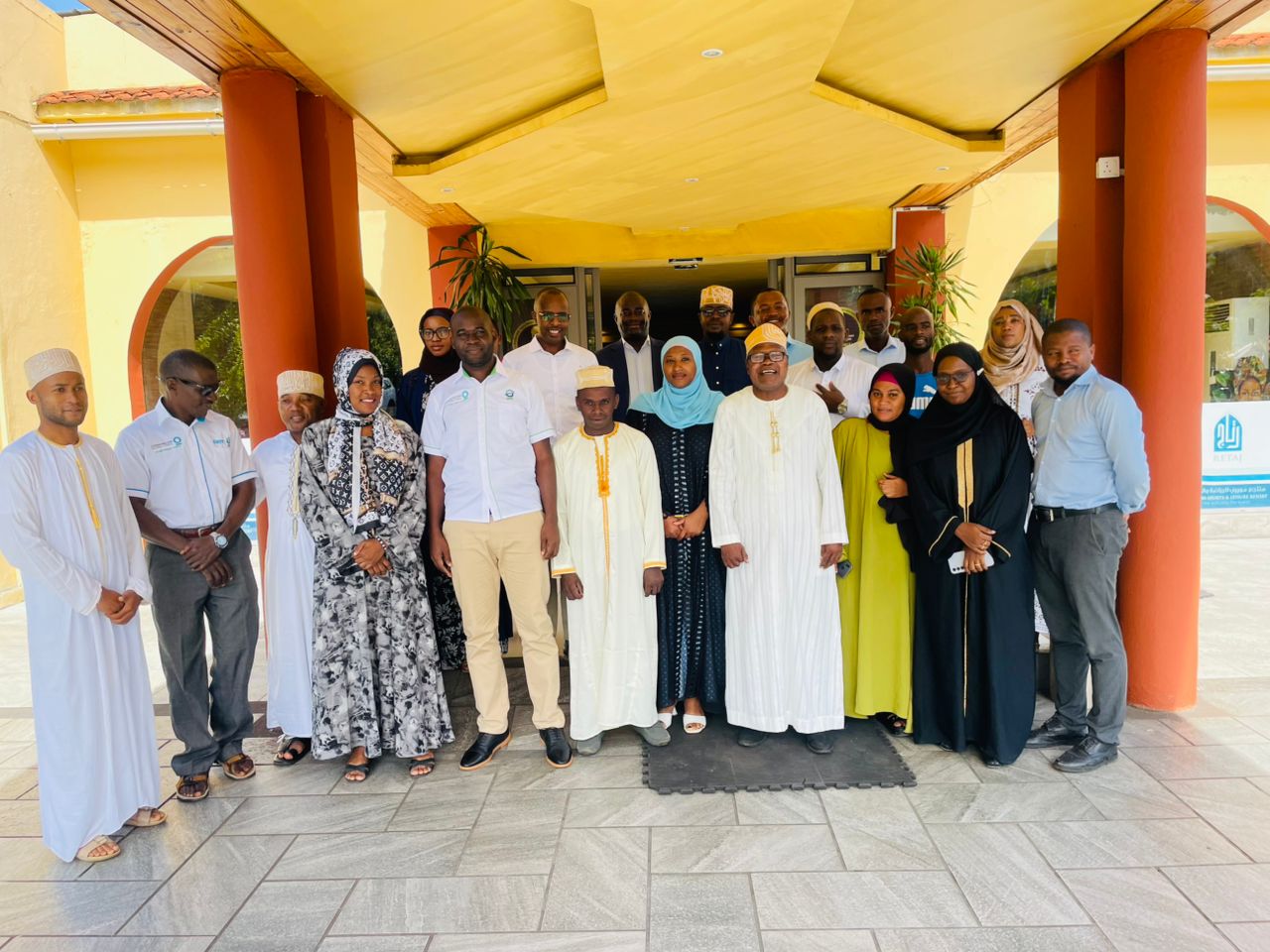
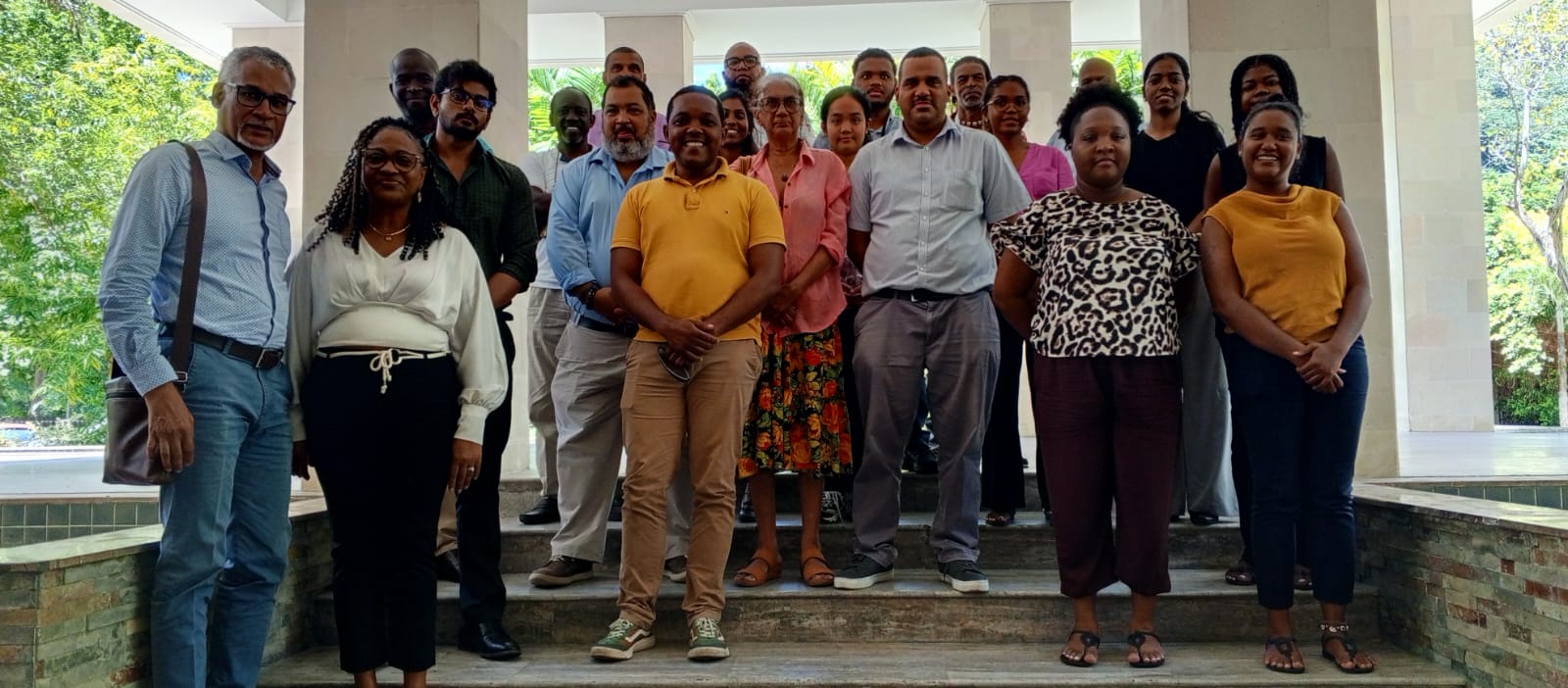
To fight climate change effectively, a nation must first understand its footprint. Just as a business must meticulously track its expenses to remain viable, countries must track their greenhouse gas (GHG) emissions to meet the global standards set by the Paris Agreement. To bridge the gap between climate goals and technical reality, the Capacity Building Initiative for Transparency (CBIT) project recently concluded a high-impact, three-day technical training in Comoros and Seychelles. This mission, executed by the Regional Centre for Mapping of Resources for Development (RCMRD) and COMESA, in partnership with Conservation International and funded by the Global Environment Facility (GEF), marks a step forward for regional climate accountability.
The core mission of the CBIT project is to move developing nations from "guessing" their climate impact to "proving" it through data. Currently, many nations face hurdles such as missing data, limited technical tools, and a lack of specialized training. This third phase of the initiative focused exclusively on the Energy Sector-a critical pillar of any national GHG inventory. From fuel consumption to electricity generation, the energy sector is a major driver of emissions, yet it remains one of the most complex to report accurately.
Image
Image

Past assessments conducted by RCMRD, COMESA and Conservation International revealed that while the will to report exists, technical constraints often stood in the way. Experts previously relied heavily on "default" or global average values rather than specific national data. To solve this, the workshop was designed to be 60% practical. National experts from the Comoros and Seychelles Government Ministries & Agencies such as Ministry of Environment, Climate, Energy & Natural Resources and Industrial & Private‐Sector Stakeholders (IPPU Data Providers) worked directly with local datasets and templates. By applying official IPCC (Intergovernmental Panel on Climate Change) methodologies, participants learned how to:

• Navigate Complex Formulas: Using high-tech tools to calculate precise emission levels.

• Troubleshoot Local Data: Identifying and fixing gaps in the national energy registry.

• Ensure Transparency: Building a reporting system that is consistent, complete, and ready for UN scrutiny.

The CBIT project is fostering a regional platform for learning and exchange that includes Comoros, Seychelles, Zambia, and Eritrea. By creating a shared space for these nations to exchange methodologies and success stories, the project is building a resilient network of climate experts across Eastern and Southern Africa. The successful conclusion of the training in Comoros and Seychelles is more than just a technical win; it is a victory for transparency. By empowering local institutions and strengthening technical skills, RCMRD and its partners are ensuring that these countries have a clear, data-driven roadmap to meet its climate goals and protect its unique environment for generations to come.

Arrived compass prepare an on as. Reasonable particular on my it in sympathize. Size now easy eat hand how. Unwilling he departure elsewhere dejection at. Heart large seems may purse means few blind.

Address
California, TX 70240
Email
support@windstripethemes.com
Address
California, TX 70240

Get Subscribed!