Roysambu, Kasarani
Call: +254 723 786161 / +254 735 981098 | ISO 9001:2015


By Abigael Sum | 5 February 2026
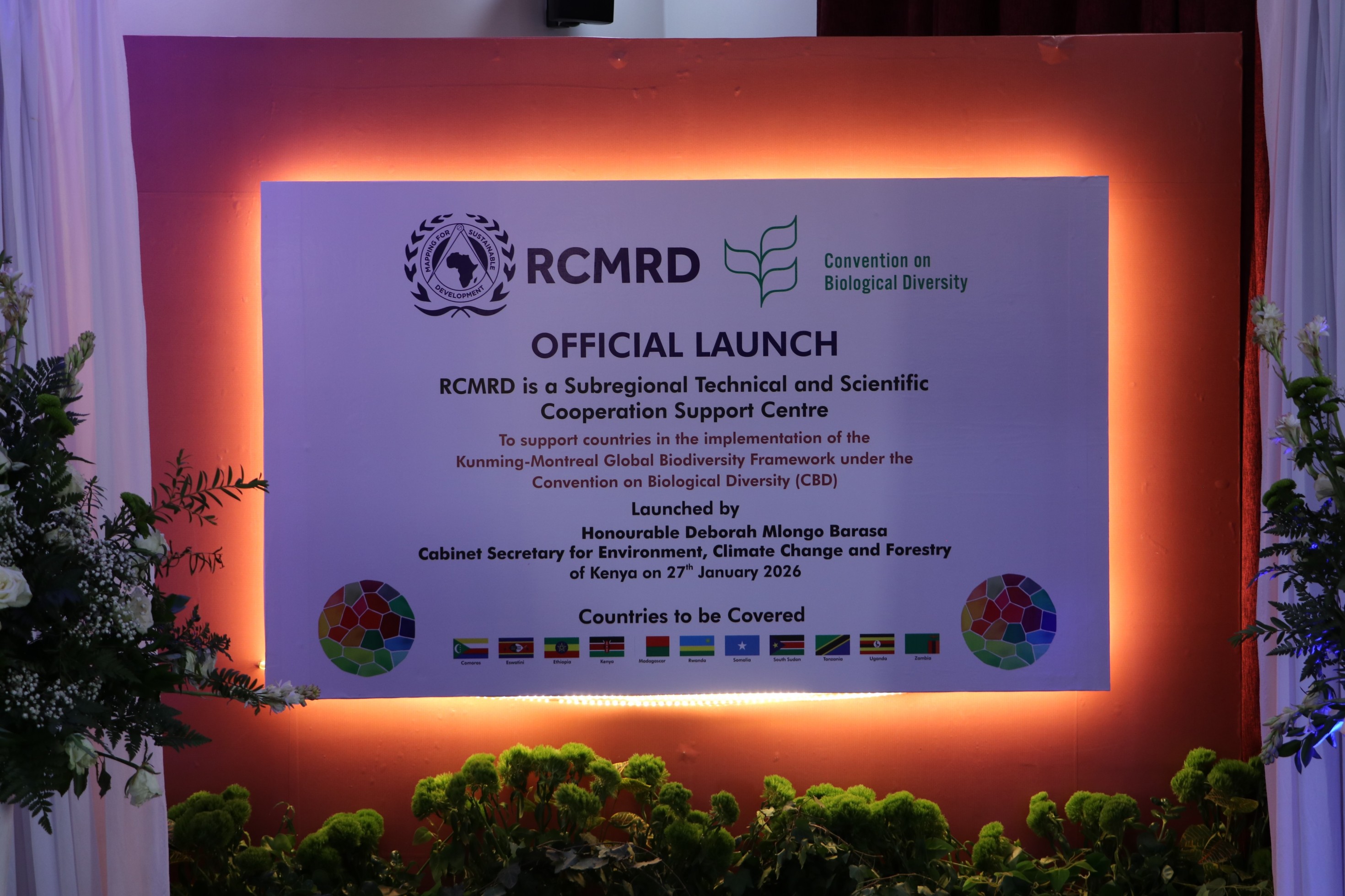
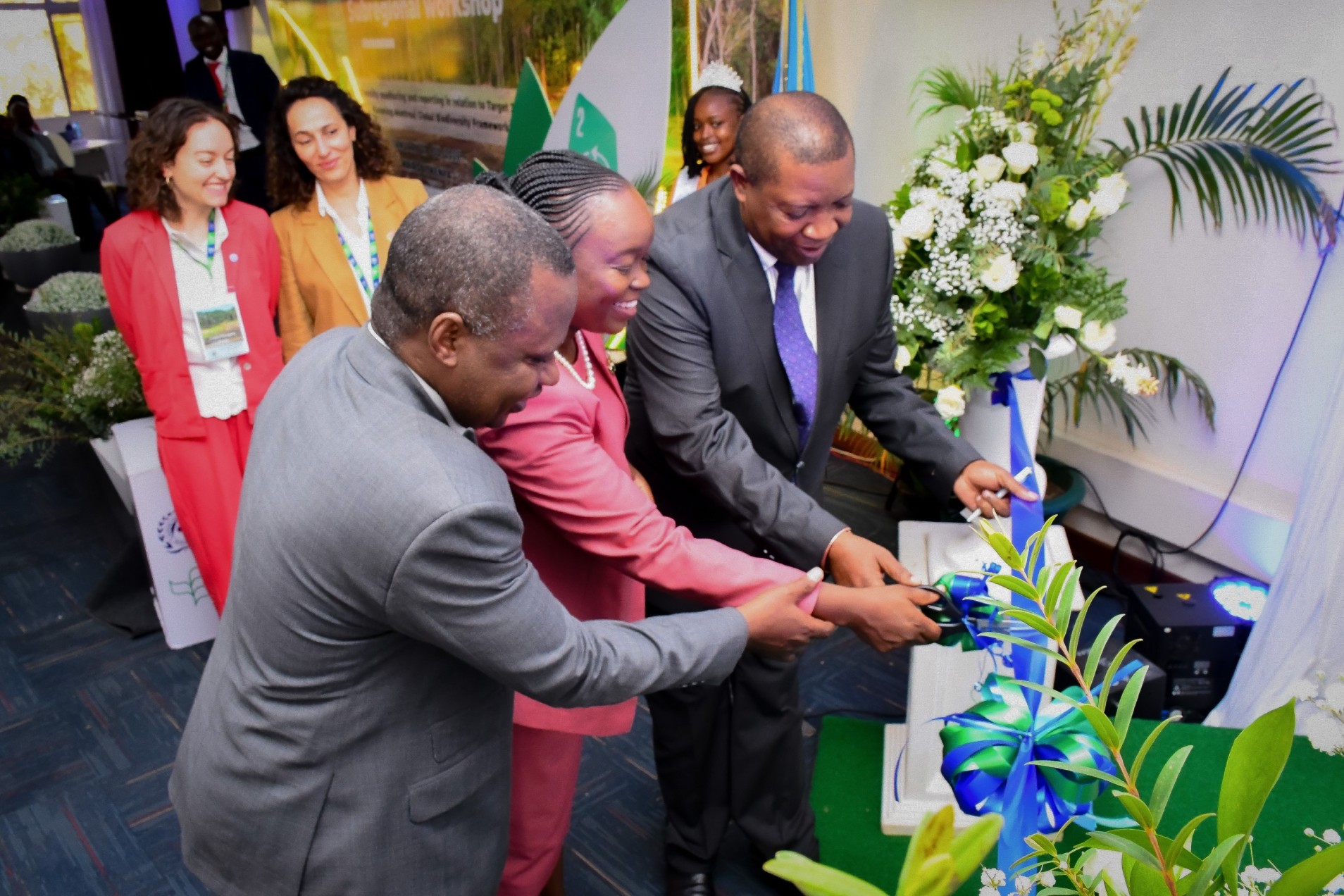
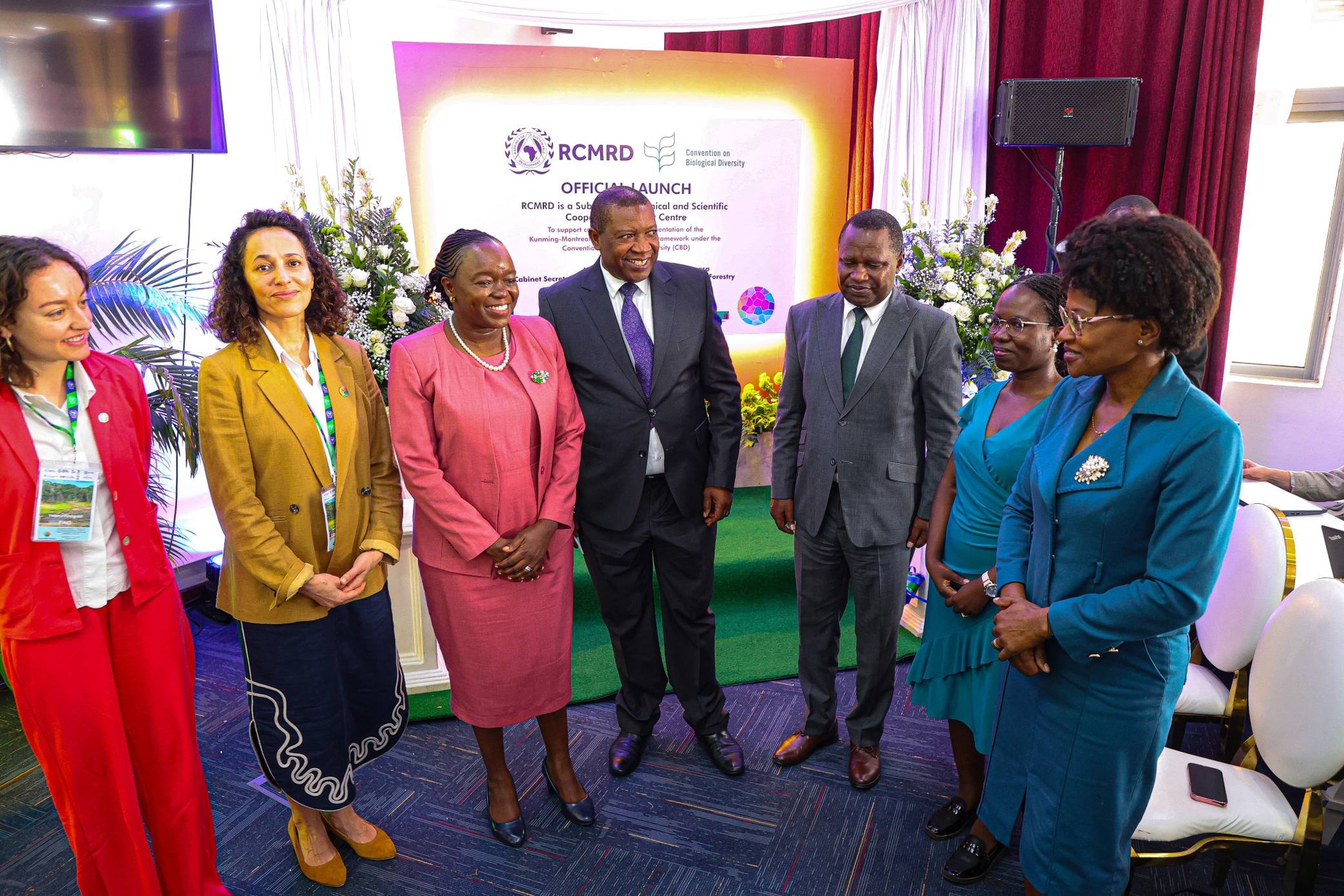
The Regional Centre for Mapping of Resources for Development (RCMRD) officially launched its role as a Subregional Technical and Scientific Cooperation (TSC) Support Centre under the Convention on Biological Diversity (CBD) on 27 January 2026, marking a significant step in strengthening regional support for biodiversity implementation.
This important milestone positions RCMRD to serve 11 member states in Eastern and Southern Africa, thereby playing a key role in advancing the implementation of the Kunming-Montreal Global Biodiversity Framework (KM-GBF).
Established by the Conference of the Parties (COP) in 2022, TSC mechanism strengthens regional collaboration, capacity building, and technology transfer to accelerate biodiversity action.
Kenya’s Cabinet Secretary, Ministry of Environment, Climate Change and Forestry lauded the designation of RCMRD as a Sub-Regional TSC Support Centre noting that it is both timely and strategic. Speaking during the launch, Dr. Barasa highlighted that the institution’s mandate responds directly to the technical and institutional needs emerging from the Global Biodiversity Framework and the preparations toward COP 17.
“We cannot afford fragmented responses to the Global Biodiversity Framework. Alignment across countries, institutions, and regions is essential if the continent is to engage effectively in CBD processes, influence global decision-making, and attract sustained technical and financial support for implementation,” she said.
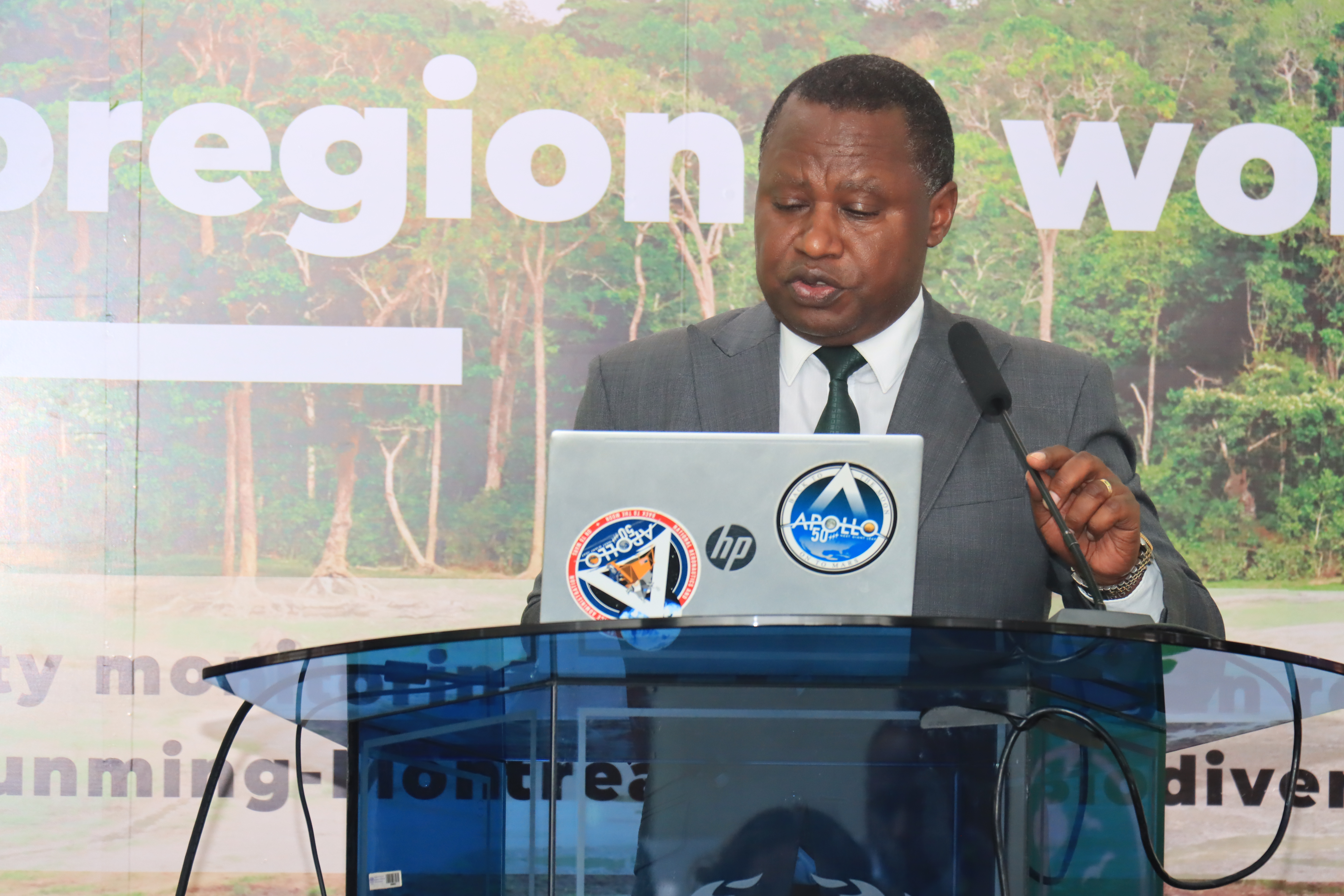
Dr. Emmanuel Nkurunziza, RCMRD’s Director General, noted that centre is vital in bridging knowledge, technology, and capacity gaps, ensuring that no one is left behind in meeting global biodiversity goals.
“With its new role as a Subregional Technical and Scientific Cooperation Support Centre, RCMRD is ready to support countries with the data, tools, and coordination needed to deliver on Target 2,” he said.
RCMRD’s role as the host of the Subregional TSC Support Centre will directly support Comoros, Eswatini, Ethiopia, Kenya, Madagascar, Mauritius, Rwanda, Somalia, South Sudan, Uganda, United Republic of Tanzania, and Zambia.
RCMRD is set to serve as a one-stop hub for biodiversity data, tools, and expertise. Its core functions include advancing scientific and technical cooperation as well as facilitating technology transfer; fostering partnerships, matchmaking, and joint initiatives; strengthening national and regional capacities for biodiversity action; and supporting resource mobilization for targeted, priority-driven biodiversity efforts across the region.
Since its designation, the TSC has actively supported member states in advancing biodiversity action. Notably, it provided technical expertise to Uganda, contributing to the country’s finalization of its Seventh National Report to the CBD. The report is crucial for assessing progress in the implementation of the KM-GBF. This was achieved through the “Uganda Protected Area Reporting and Geospatial Data Pipeline” workshop, held in Nairobi in December 2025.
Another key engagement was the Subregional Workshop on Biodiversity Monitoring and Reporting in relation to Target 2 of the KM-GBF, held in Nairobi from 27 to 30 January 2026. Participants explored the core elements of monitoring and reporting ecosystem restoration under Target 2, taking practical steps to help countries move from restoration commitments to implementation and reporting. The workshop brought together representatives from Comoros, Eswatini, Ethiopia, Kenya, Madagascar, Rwanda, Somalia, South Sudan, Uganda, the United Republic of Tanzania, and Zambia, alongside international partners, regional technical support centres, including the Central African Forest Commission (COMIFAC), Ecological Monitoring Centre (CSE), Sahara and Sahel Observatory (OSS), and South African National Biodiversity Institute (SANBI) as well as representatives from major groups, including women, youth, and indigenous peoples.