Roysambu, Kasarani
Call: +254 723 786161 / +254 735 981098 | ISO 9001:2015


Strengthening the systems behind climate reporting
Throughout the Academy, participants explored how adaptation planning, implementation, monitoring and reporting can be better connected. Discussions focused on the tools, methodologies and indicators needed to generate consistent and policy-relevant adaptation information.
Learning through country experience Beyond technical sessions, the Academy provided an opportunity for countries to share their experiences and learn from one another. The delegation from Côte d’Ivoire, for example, presented progress in developing its National Climate Transparency System and establishing a national adaptation monitoring platform. The experience provided a practical basis for discussions on strengthening information systems and addressing gaps in adaptation data, indicators and institutional arrangements. Such exchanges reinforced the importance of developing solutions that respond to national circumstances while drawing on lessons and good practices from across the continent
Putting data at the centre of adaptation
Reliable spatial information can help countries understand where climate risks are occurring, identify vulnerable populations and ecosystems, monitor changes in the landscape and assess whether adaptation interventions are reaching priority areas.
This perspective was reflected in the opening address by Kenya's Director of Surveys, Weldon Maritim, who highlighted the expanding role of geospatial information in assessing vulnerability, monitoring land-use change, tracking droughts and floods, and supporting the verification of adaptation results.
His message captured an important lesson from the Academy: climate transparency requires more than reporting frameworks. It requires credible data, strong institutions and the capacity to turn information into evidence for action.
From capacity building to action
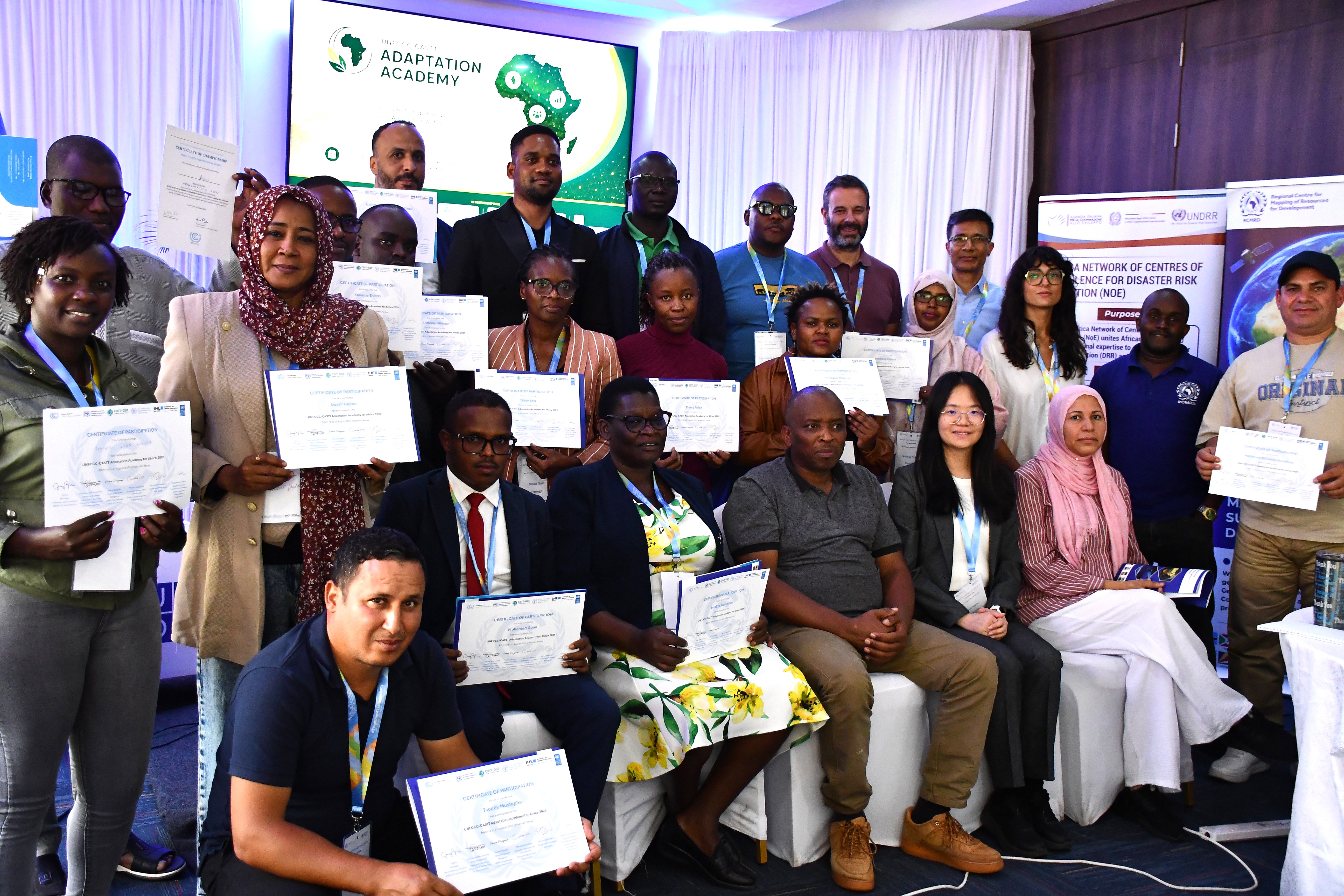
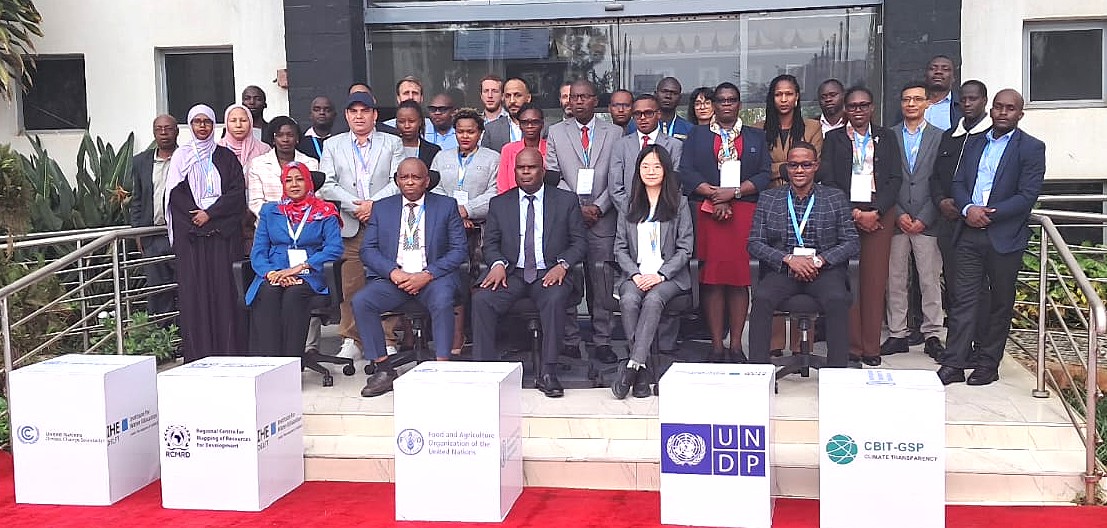
The 2026 Adaptation Academy forms part of a broader effort to strengthen Africa's capacity to generate, manage and use climate information. RCMRD's work under CBIT, together with the Adaptation Academy, contributes to this effort by strengthening both the technical and institutional foundations needed for effective climate transparency.
As participants concluded four days of expert presentations, practical exercises and peer learning, the Academy provided not only new knowledge but also opportunities to identify approaches that can be adapted to national contexts. Ultimately, stronger adaptation reporting is about more than meeting international requirements. It is about ensuring that countries have the evidence needed to understand climate risks, track progress and make informed decisions.

