Roysambu, Kasarani
Call: +254 723 786161 / +254 735 981098 | ISO 9001:2015


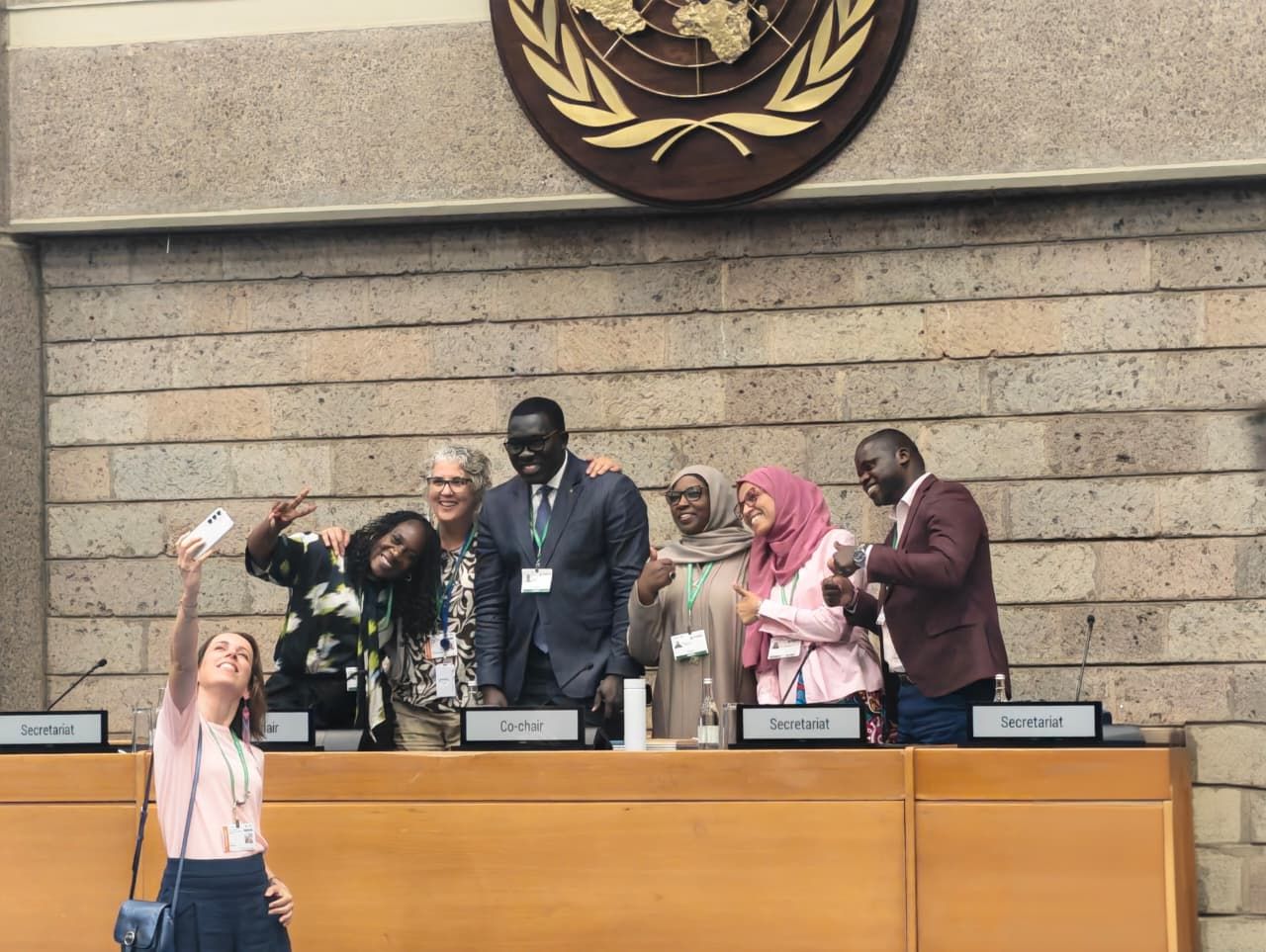
RCMRD strengthens the region's science–policy interface through data, technology and inclusive cooperation at the Convention on Biological Diversity's technical meetings in Nairobi.
By Abigael Sum
As Parties prepare to gather in Armenia for the first global review of the Kunming-Montreal Global Biodiversity Framework, the groundwork laid earlier this year in Nairobi is shaping what RCMRD brings to the table.
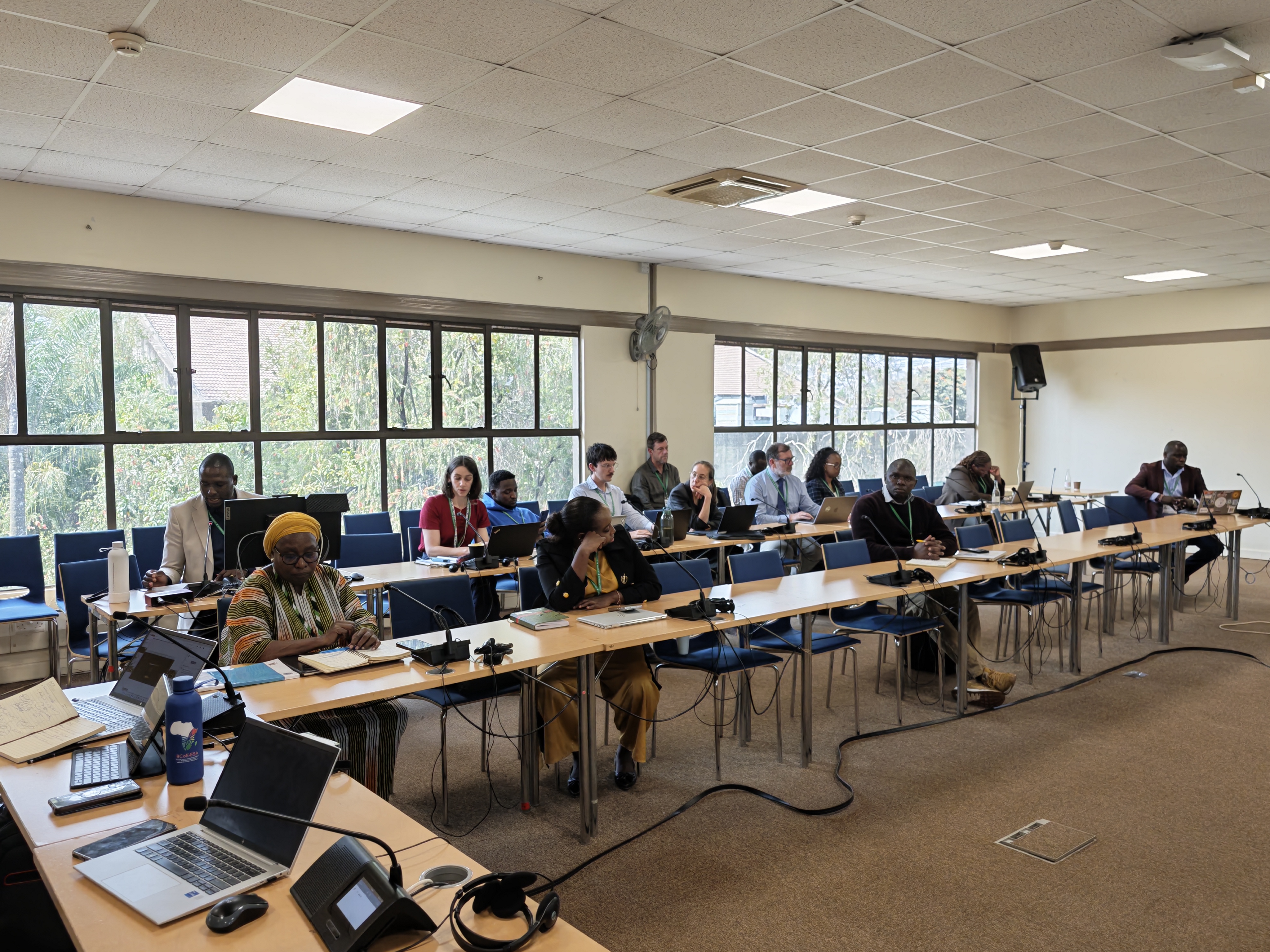
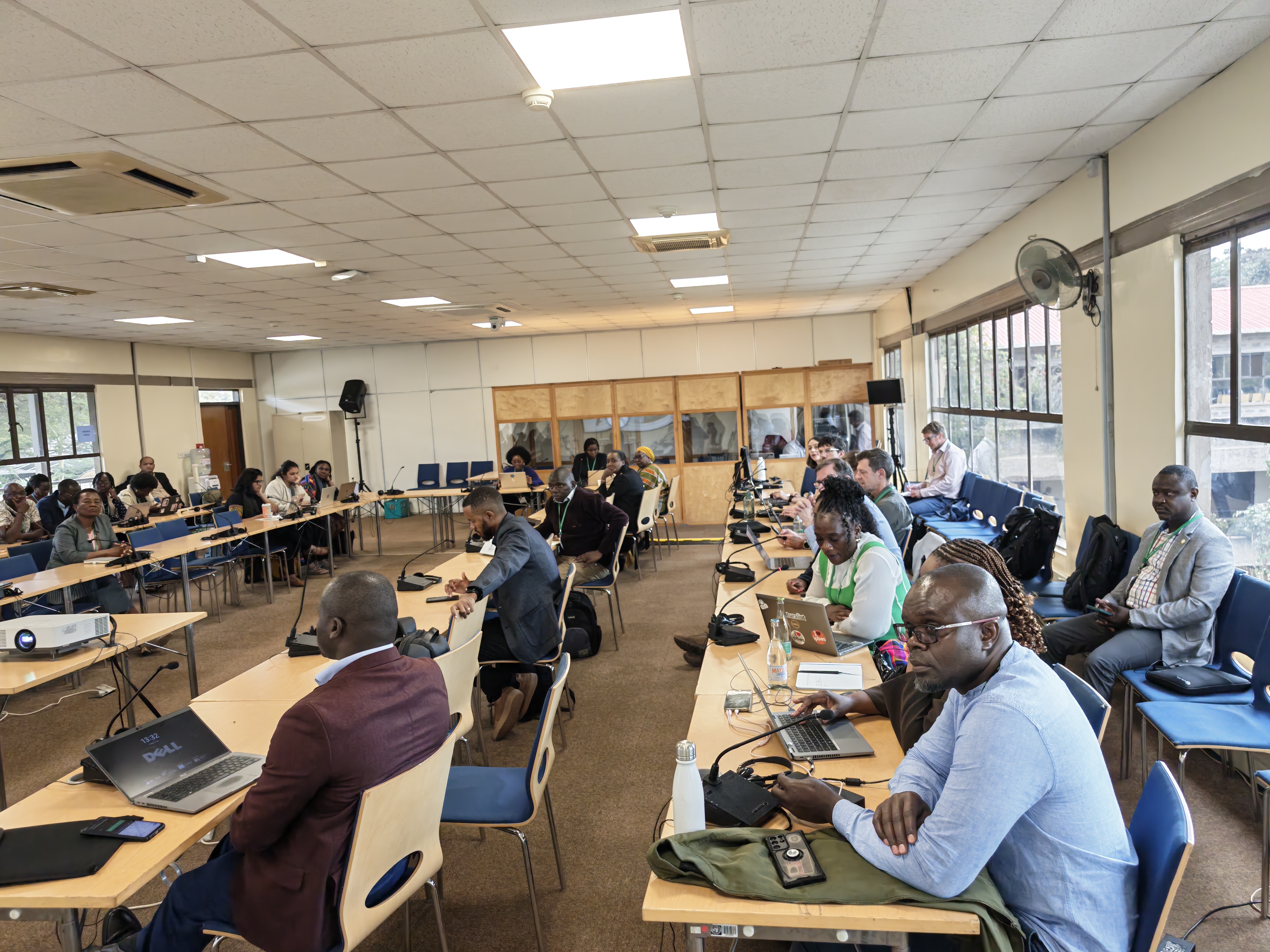
From 27 July to 12 August 2026, the Regional Centre for Mapping of Resources for Development (RCMRD) joined governments, scientists, policymakers, Indigenous Peoples and Local Communities (IPLCs), women's organisations and youth representatives at the United Nations Office at Nairobi (UNON) for the 28th meeting of the Subsidiary Body on Scientific, Technical and Technological Advice (SBSTTA-28) and the 7th meeting of the Subsidiary Body on Implementation (SBI-7) of the Convention on Biological Diversity (CBD).
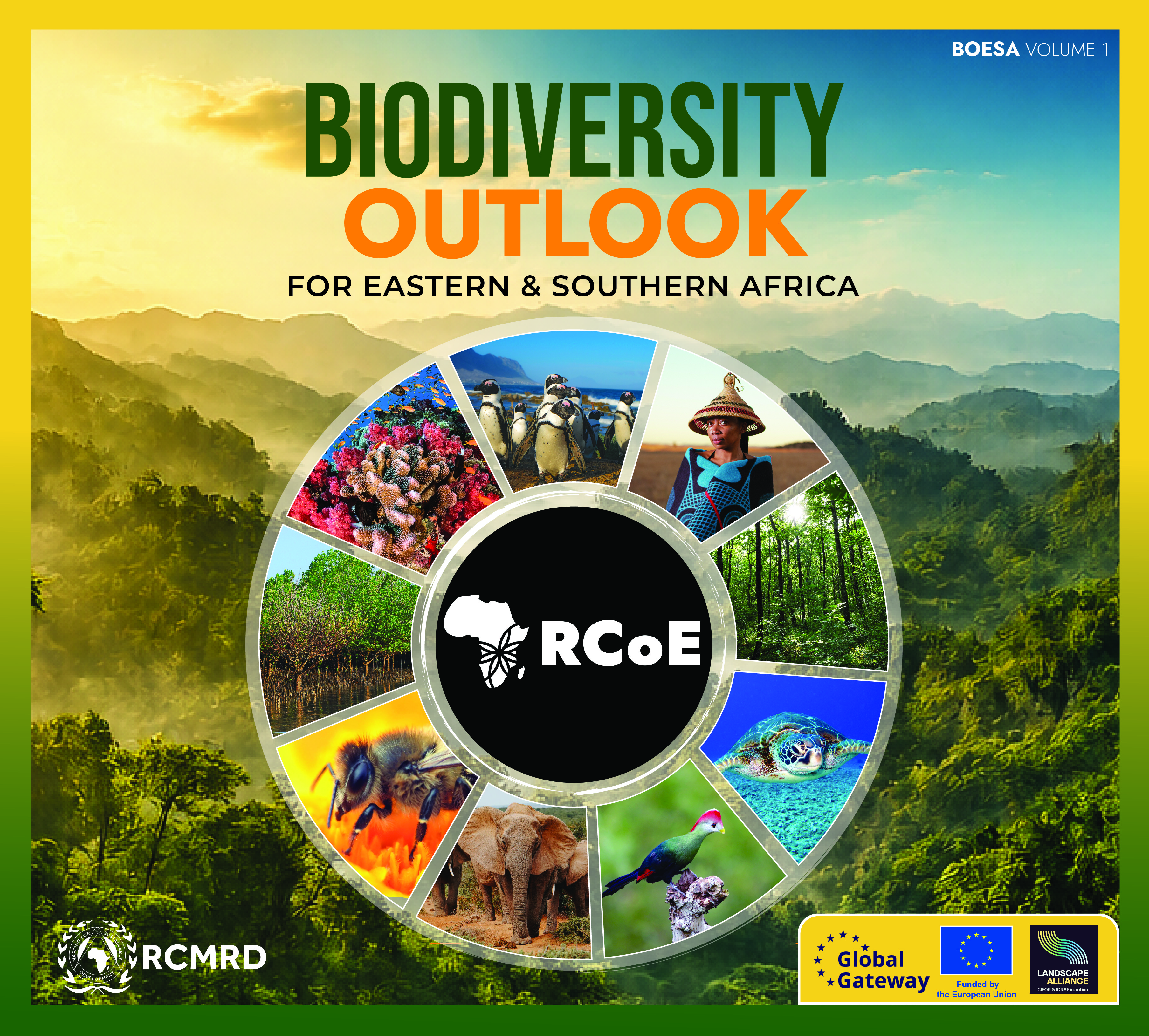
As a Technical and Scientific Cooperation Support Centre (TSCC) under the CBD, RCMRD used the two-week meetings to strengthen the link between scientific knowledge, technology and policy. Our key highlight was the launch of the Biodiversity Outlook for Eastern and Southern Africa (BOESA).
Launched on 31 July 2026 during a side event at SBSTTA-28, BOESA is a living, evidence-based regional platform bringing together biodiversity, forest and seascape data, country-level insights and emerging trends across 24 countries in Eastern and Southern Africa. The platform, developed under the EU-funded RCoE-ESA and co-implemented by RCMRD and Landscape Alliance, is designed to strengthen access to information and support evidence-based biodiversity planning, monitoring and decision-making.
BOESA brings together resources designed to make regional biodiversity information more accessible and actionable, including a map gallery, country profiles, case studies and an Adventure Hub aimed at engaging younger audiences through conservation storytelling.
The platform also features three core tools:
KM-GBF Target 3 Tracker — year-on-year data from 2020 to 2025 on protected and conserved area coverage, supporting monitoring and national reporting.
WDPCA Validator — developed with UNEP-WCMC, helping data providers standardise protected and conserved area information before submission.
KM-GBF Capacity Needs Assessment (CNA) Tool — assesses country and institutional capacity across eight dimensions, including technical, legal, policy and financial readiness.
BOESA Volume 1, offering deeper analysis of biodiversity trends across Eastern and Southern Africa, is expected in the coming weeks.
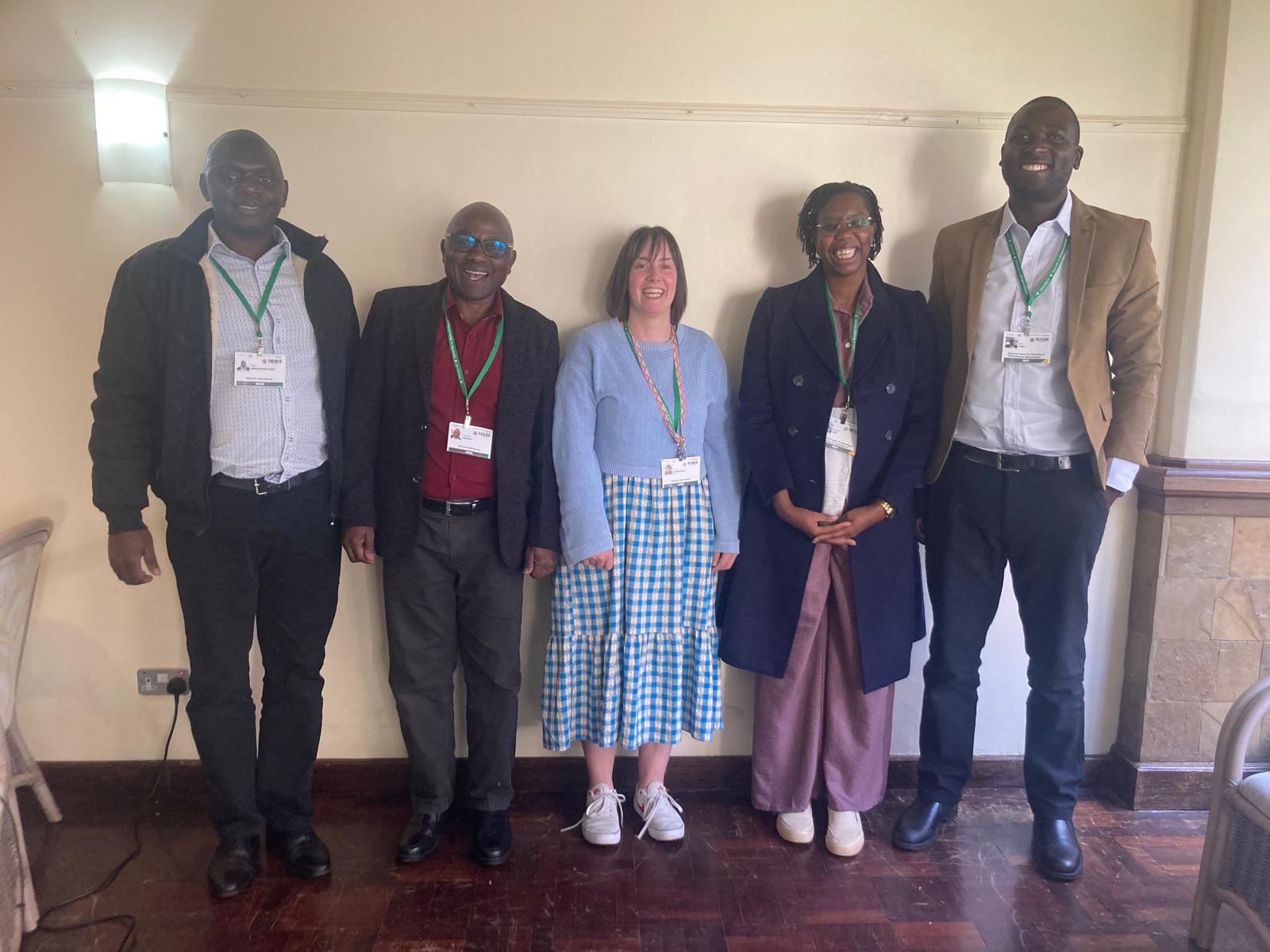
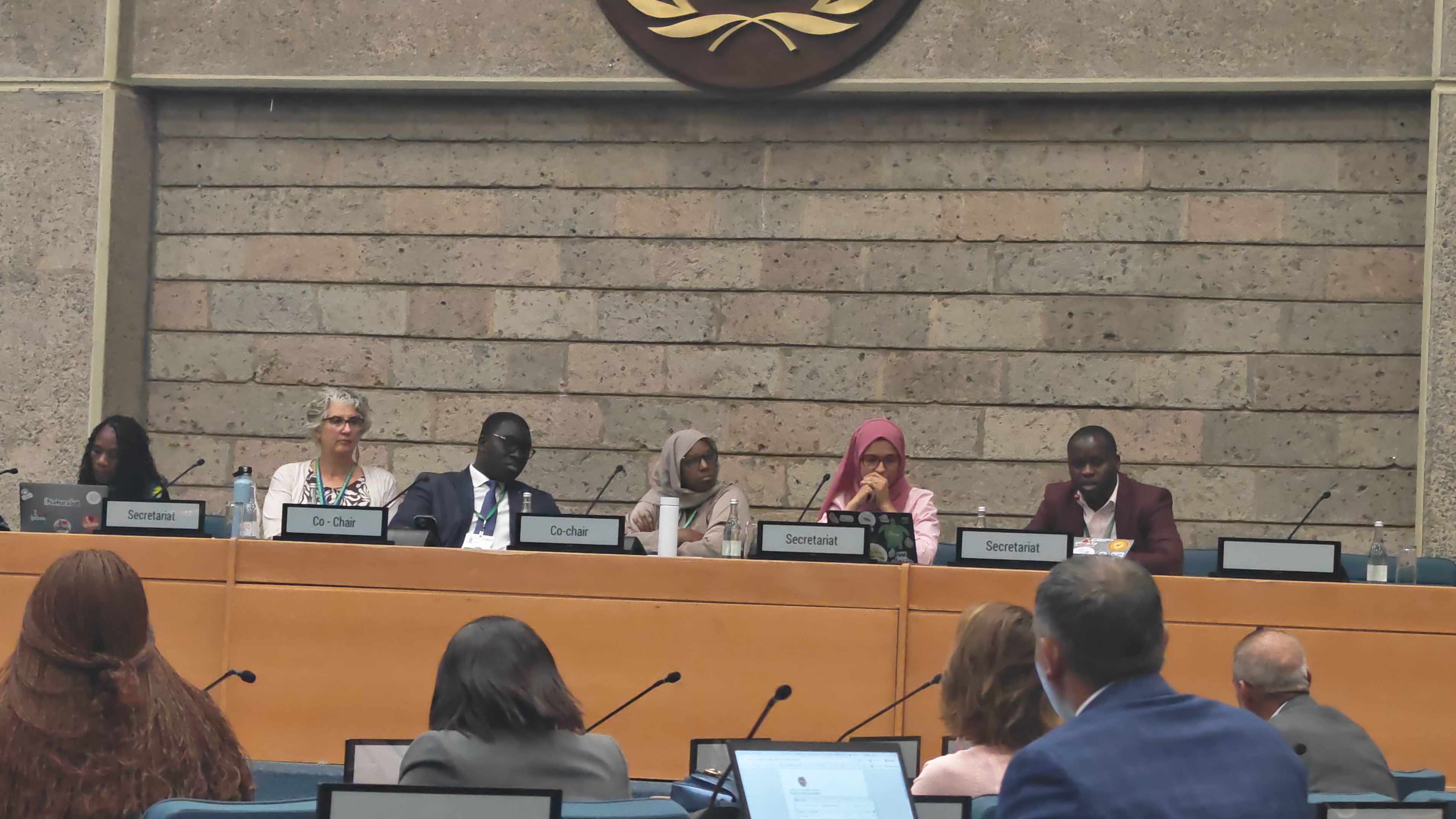
Interface and Regional Technical Cooperation," moderated by RCMRD's Abigael Sum and featuring: Ntakadzeni Tshidada (South African National Biodiversity Institute, SANBI); Sharon Ruthia (CBD Women's Caucus); Lucy Mulenkei (Indigenous Information Network; and Mary Kyanyi (Power Shift Africa / GYBN-Africa).
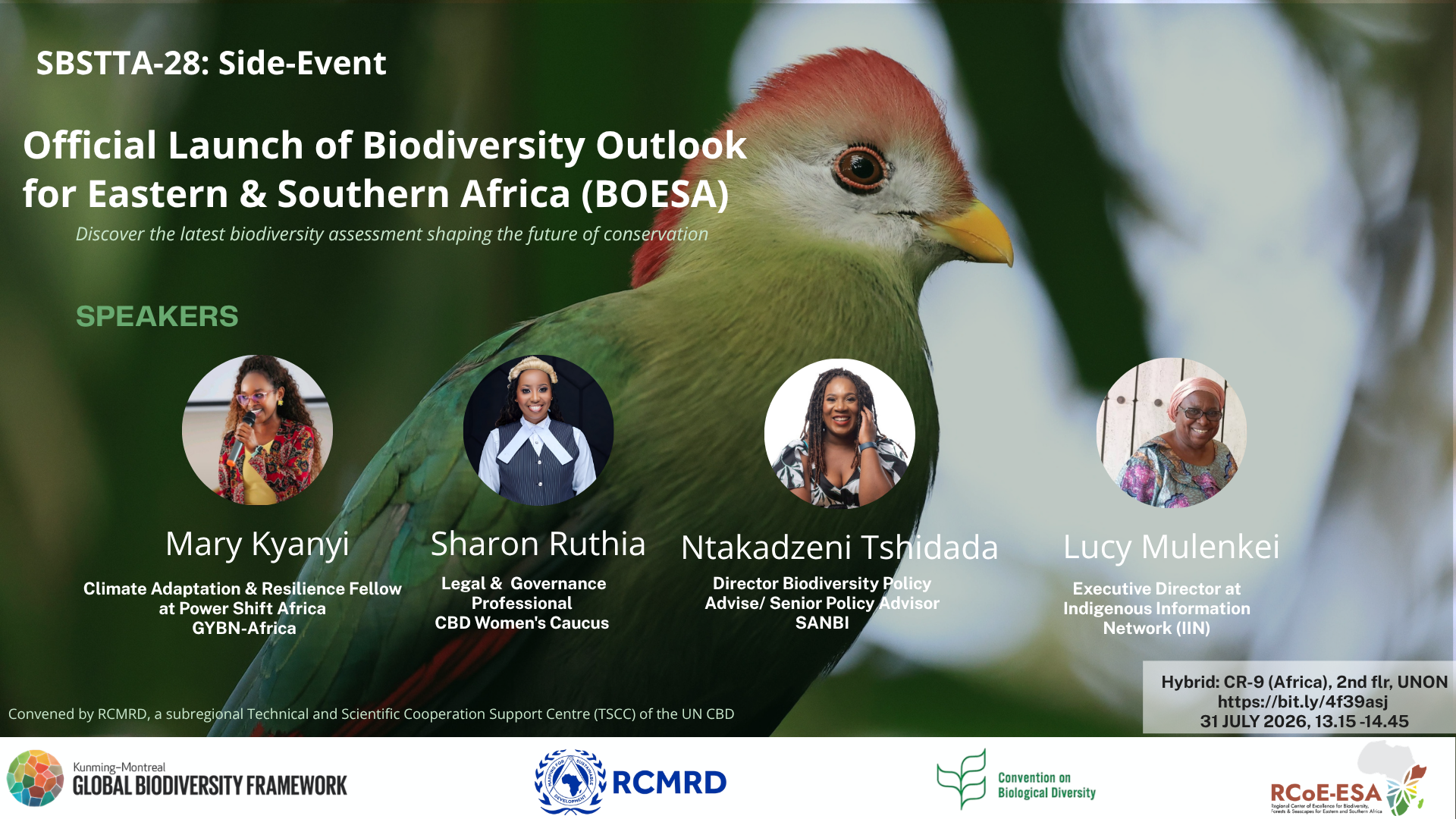
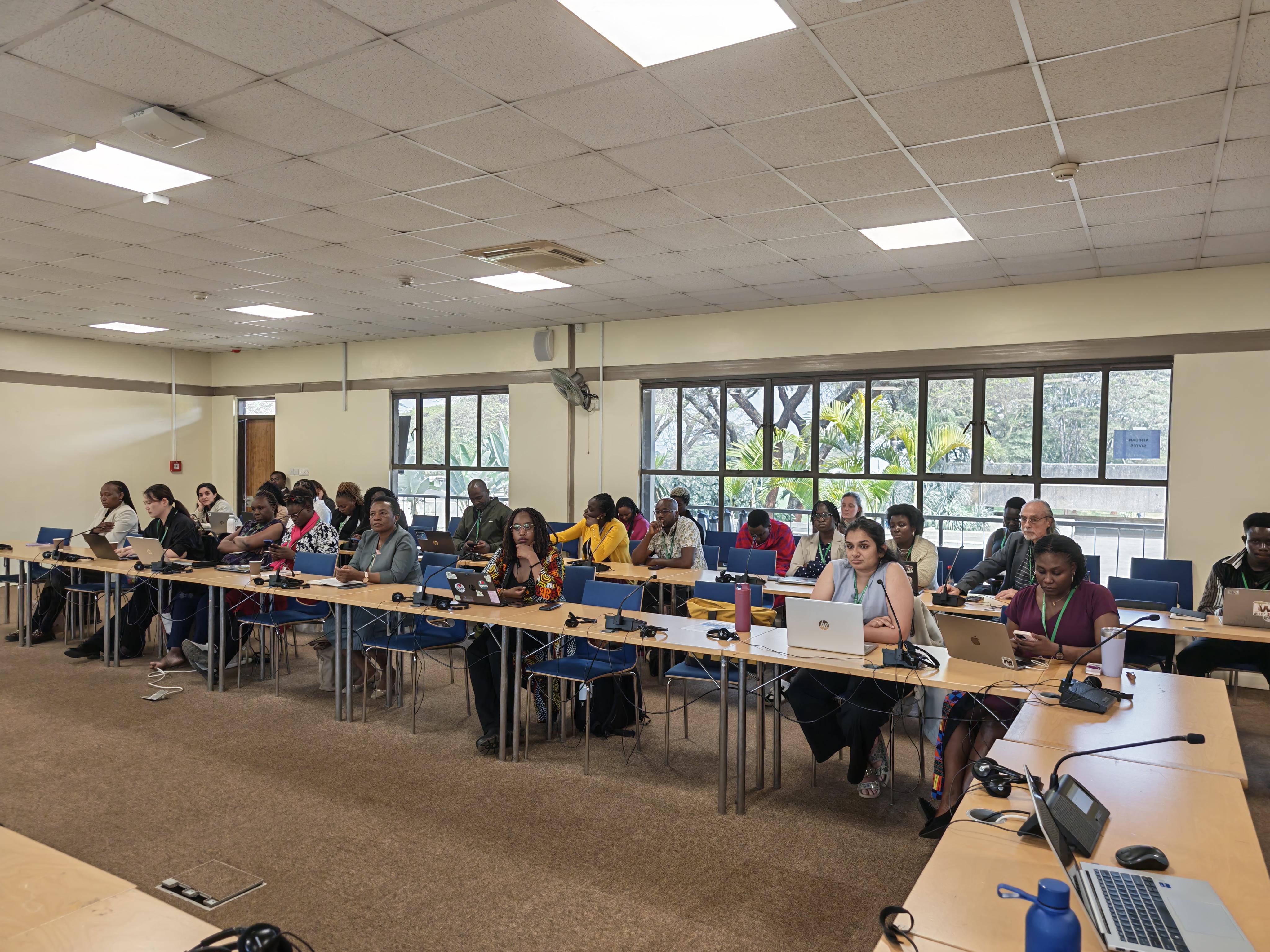
The conversation surfaced four themes set to shape KM-GBF implementation across the region:
TSCCs as bridges, not just repositories. Panellists stressed that regional and subregional support centres must move beyond housing data. Their real value lies in translating scientific evidence into practical policy and implementation support — through knowledge products, harmonised methodologies, technical assistance and stronger national science–policy platforms. RCMRD has already begun playing this role through its support to countries during the Seventh National Reporting cycle under the CBD.
Gender-responsive implementation requires structural change. Panellists called for gender-responsive biodiversity action that goes beyond references to inclusivity, addressing structural barriers through flexible and accessible financing, gender-disaggregated data, meaningful participation of women in decision-making, and stronger institutional mechanisms for integrating gender into biodiversity planning and reporting.
Indigenous knowledge must be protected as well as integrated. The panel underscored the need to integrate Indigenous and traditional knowledge into biodiversity decision-making in ways that respect community rights, identifying biocultural protocols and free, prior and informed consent as essential safeguards.
Youth are already doing the work — largely unfunded. Young people are already driving conservation through mangrove restoration, community-led initiatives and ocean clean-ups. The discussion called for greater investment in youth-led action and meaningful opportunities for young people in biodiversity decision-making.
Other Engagements & Discussions:
RCMRD also participated in several other side-events contributing to discussions on gender-responsive implementation, and collaboration with fellow African TSCCs to advance coordinated support for the Kunming-Montreal Global Biodiversity Framework (KM-GBF).
On 28 July, RCMRD participated in a side event on opportunities for improving ecosystem indicators for monitoring and action towards 2030. The discussions explored practical pathways to strengthen ecosystem-related GBF headline indicators by addressing data and knowledge gaps, improving ecosystem mapping and validation, and identifying partnerships and financing mechanisms to support Parties in effectively using and reporting on these indicators in their 8th National Reports.
On 4 August, RCMRD joined an SBI-7 side event convened with the CBD Women’s Caucus, CARICOM, SPREP, UNEP-WCMC and IUCN CEESP, which focused on how regional and subregional support centres can advance gender-responsive implementation of the KM-GBF. The discussions highlighted the importance of strengthening technical capacities and institutional approaches to generate and use more inclusive biodiversity data.
RCMRD also joined fellow African Technical and Scientific Cooperation Support Centres (TSCCs)—the Sahara and Sahel Observatory (OSS), South African National Biodiversity Institute (SANBI), Centre de Suivi Écologique (CSE) and COMIFAC—for a side event focused on strengthening collaboration among Africa’s TSCCs. The discussions identified six priorities for moving from cooperation to coordinated action: (1) strengthening technical and scientific cooperation; (2) expanding capacity-building and knowledge exchange; (3) providing tailored technical assistance to countries; (4) advancing data and knowledge integration for evidence-based decision-making; (5) scaling peer-to-peer learning and regional collaboration; and (6) enhancing coordination and visibility of TSCC contributions.
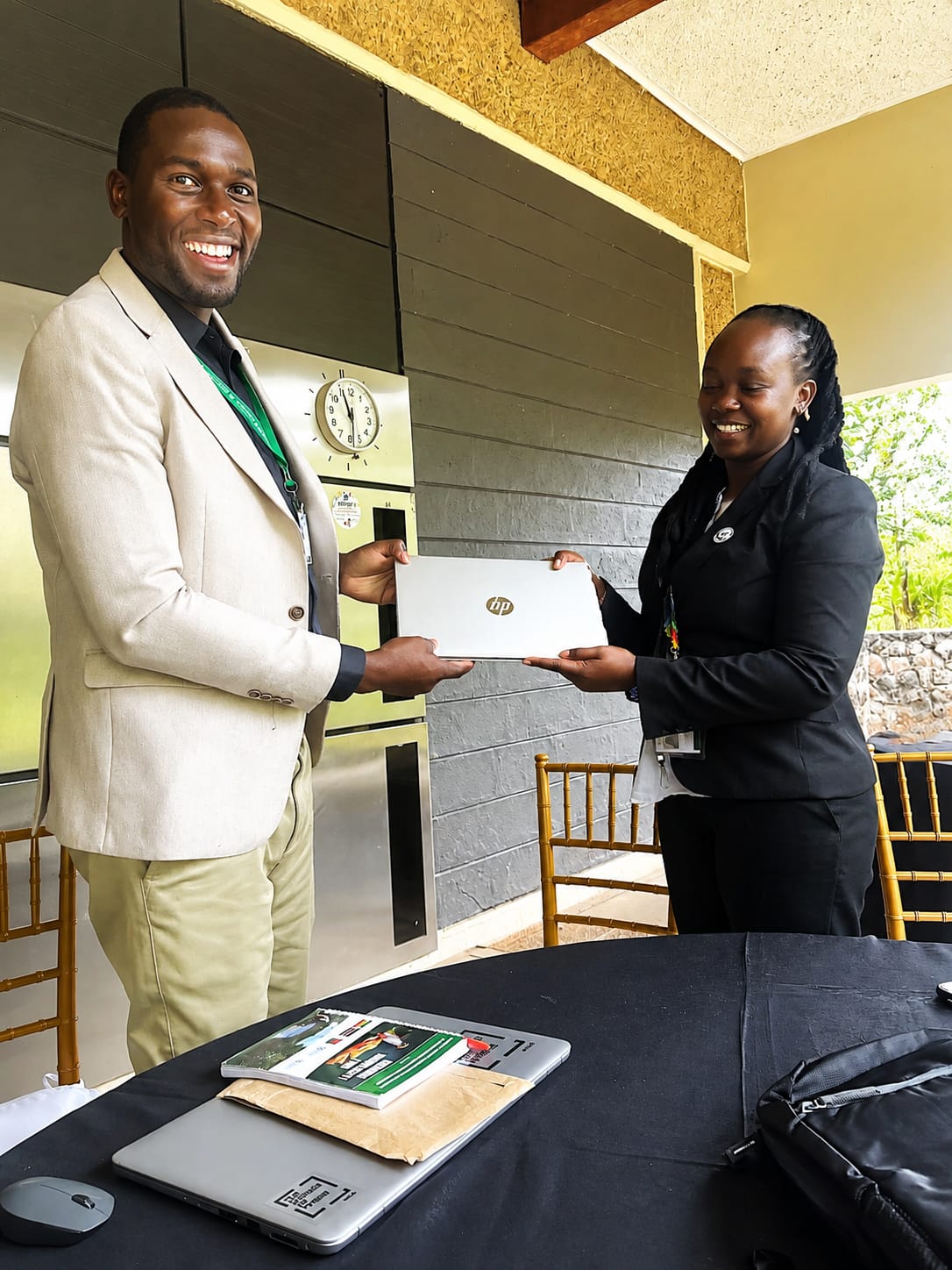
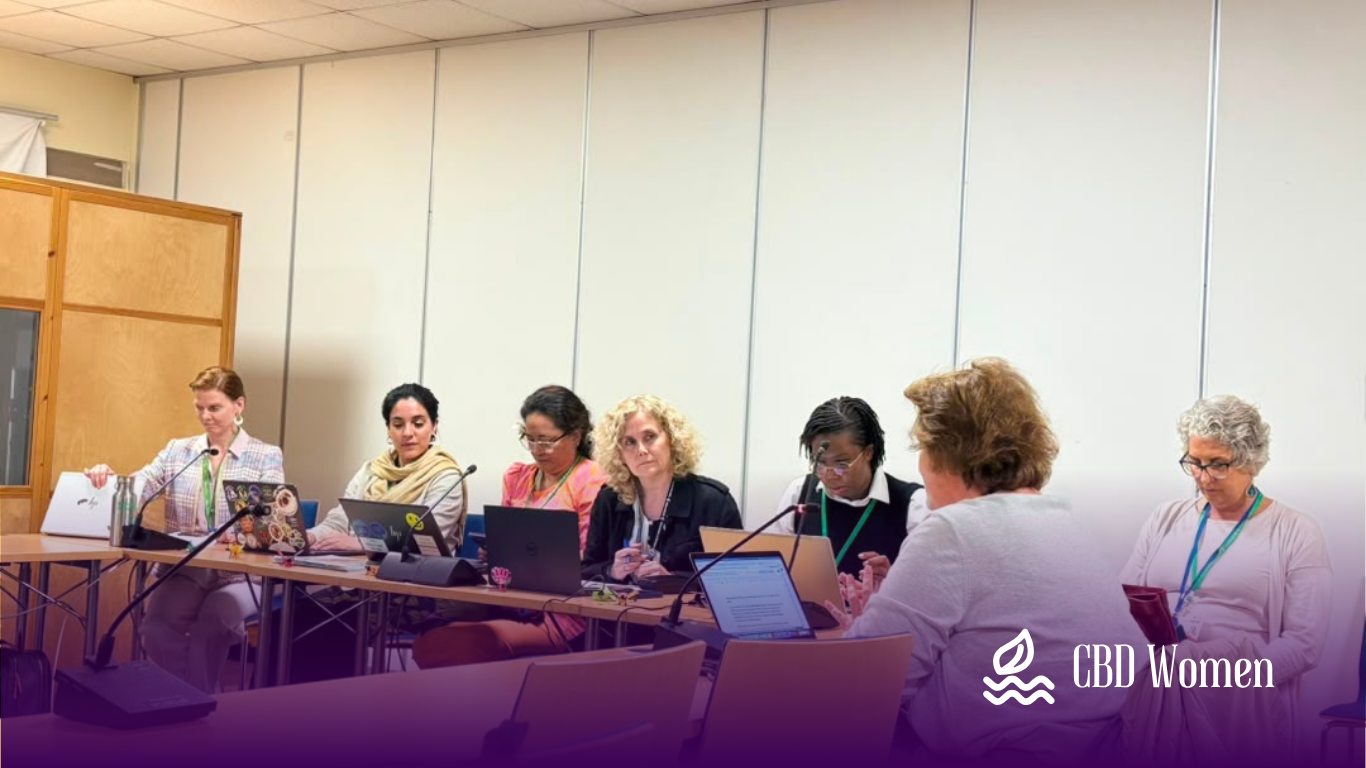
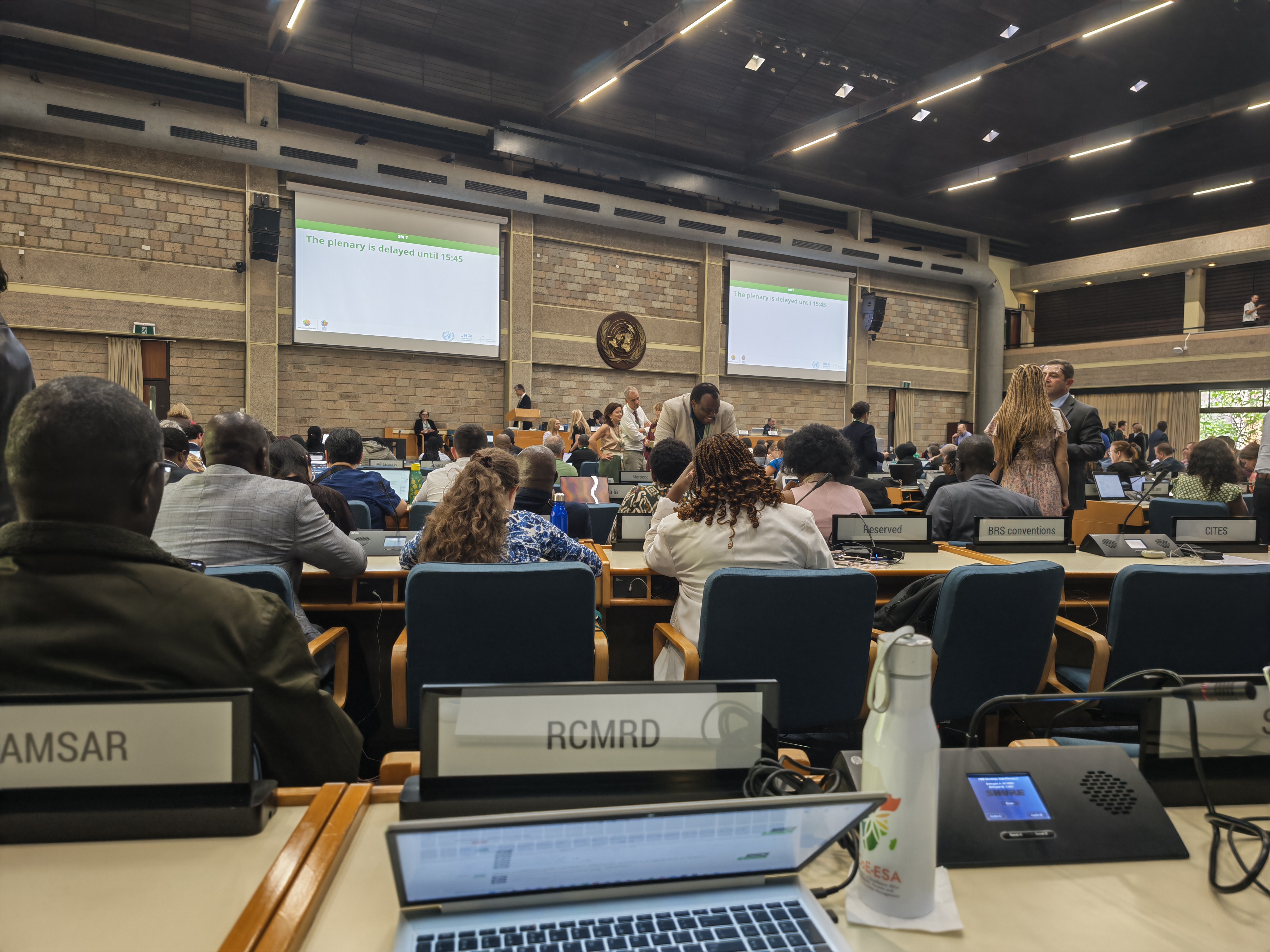
As Parties accelerate implementation of the KM-GBF and prepare for CBD COP17 in Yerevan, Armenia, in October 2026, RCMRD's engagement at SBSTTA-28 and SBI-7 reaffirmed the value of strong regional technical cooperation. The discussions made clear that science and technology deliver the greatest impact when translated into practical support for countries and communities — and when the data informing decisions reflects the realities of women, youth and Indigenous Peoples and Local Communities.
Through RCoE-ESA and its broader technical and scientific cooperation mandate, RCMRD remains committed to leveraging geospatial technologies, Earth observation, data, knowledge and capacity development to support countries and partners in advancing biodiversity conservation and sustainable development across Eastern and Southern Africa.
Explore BOESA and its tools at https://rcoe-boesa.rcmrd.org/

